

21 Best Low Taper Fade Side Part Haircuts for Men (2026)
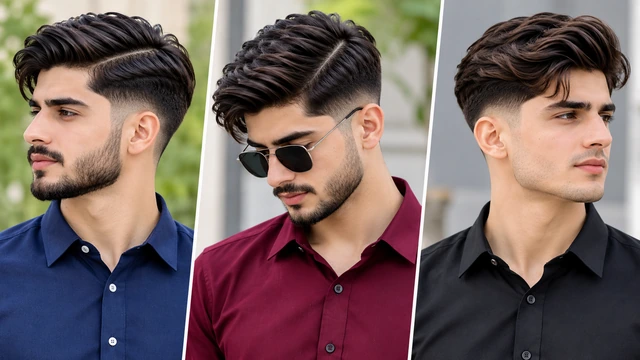
A low taper fade side part is a short, tidy haircut with neat sides that blend down gently near the ears and neckline, and longer hair on top combed to one side. It looks sharp at work, relaxed on weekends, and sensible when you are growing out your hair.
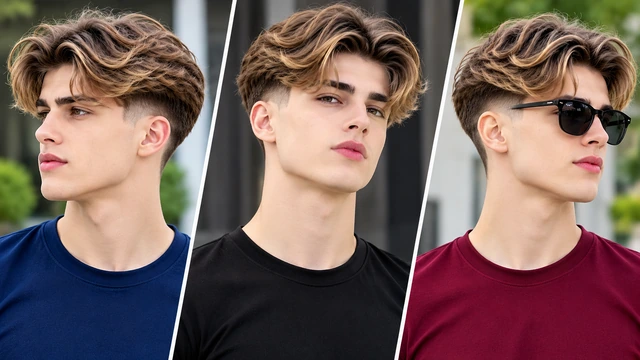
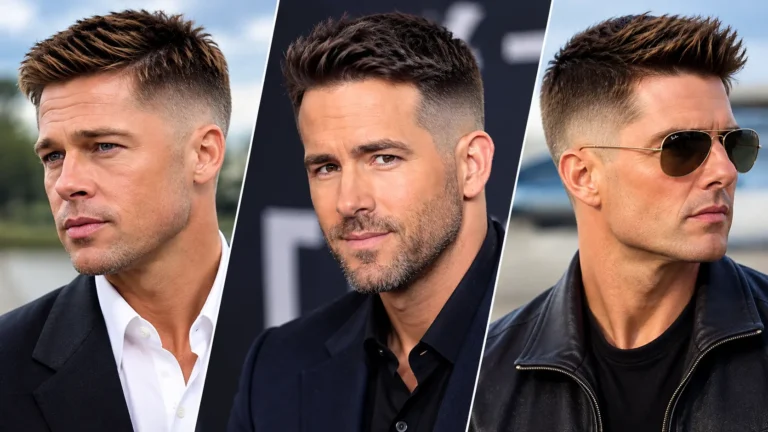
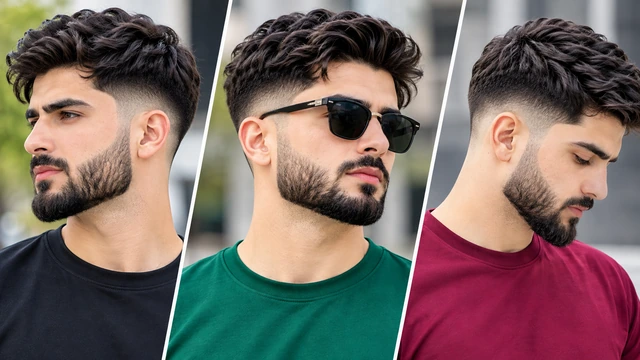
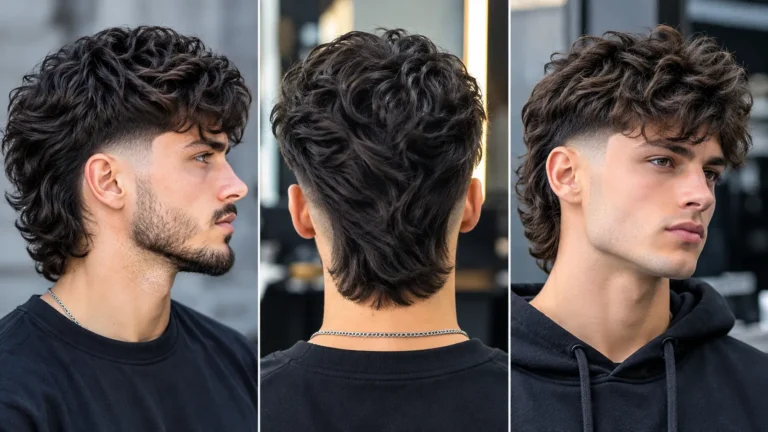
The reason it keeps showing up in barbershops is simple. It is easy to ask for, forgiving as it grows out, and it works with almost every hair type. This guide covers 21 versions of the cut, how to explain it to your barber, which face shapes and hair types suit it best, and how to style and maintain it at home.
What Is a Low Taper Fade Side Part Haircut?
It is a classic gentleman’s cut with a modern edge. The sides and back are cut short and blended so the length shrinks gradually toward the hairline. The top stays long enough to part and comb. Put the two together and you get a clean, contrasted shape that still looks natural.
What Is a Low Taper Fade?
A taper fade shortens the hair gradually from the upper sides down to the neckline and around the ears. The word “low” tells you where the shortening starts: just above the ear and along the nape, not up near the temples.
Because only a small area is faded, the cut keeps more length on the sides than a mid or high fade. That makes it the safest, most conservative fade, and the easiest to grow out.
What Is a Side Part Hairstyle?
A side part divides the hair on top into two sections, usually about a finger-width above the outer edge of the eyebrow. The larger section is combed across, and the smaller one is swept the other way. Some men use a natural part, found by pushing the hair back and letting it fall. Others have a barber shave in a hard part, a thin razor-cut line that keeps the division sharp.
Why Is the Low Taper Fade Side Part Popular?
There are a few practical reasons.
- It looks put together fast. A comb and a bit of product is often enough.
- It suits many settings. Offices, weddings, and casual outings all work.
- It grows out gracefully. A low taper does not look messy after three or four weeks.
- It flatters most men. You can change the length and texture to suit your hair and face.
- It has staying power. Tailored, classic looks have been back in fashion for several seasons, and this cut sits at the center of that trend.
21 Best Low Taper Fade Side Part Hairstyles for Men
Every style below uses the same foundation: a low taper on the sides and a parted top. What changes is the length, texture, finish, and the details that make each one suit a particular man. Pick the one closest to your hair type and lifestyle, then adjust it with your barber.
1. Classic Low Taper Fade Side Part
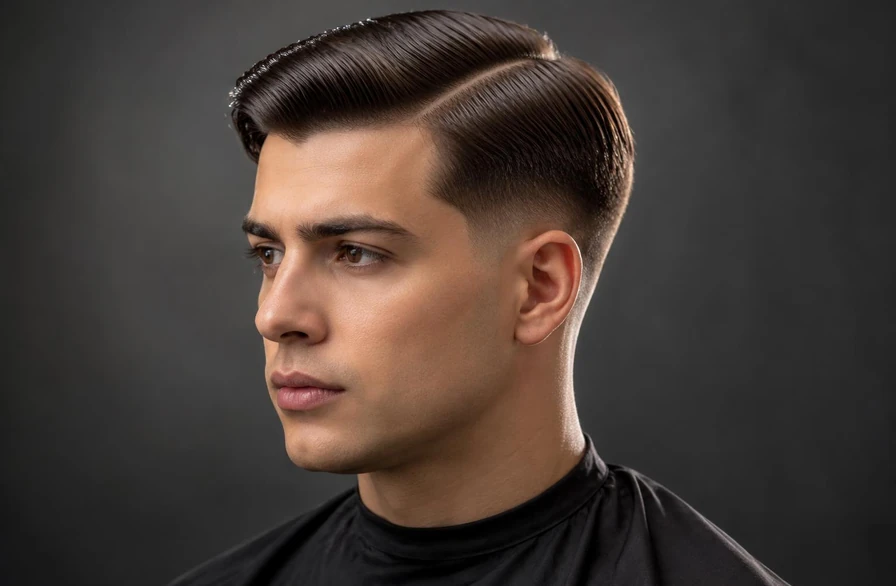
This is the original: short sides, a medium-length top, and a natural part combed neatly across. The taper is subtle, finishing at the sideburns and nape. It suits almost every face shape and hair type, and it needs only a comb and a light pomade. Ask for “a classic taper with a side part and scissor-cut top.”
2. Modern Low Taper Fade Side Part
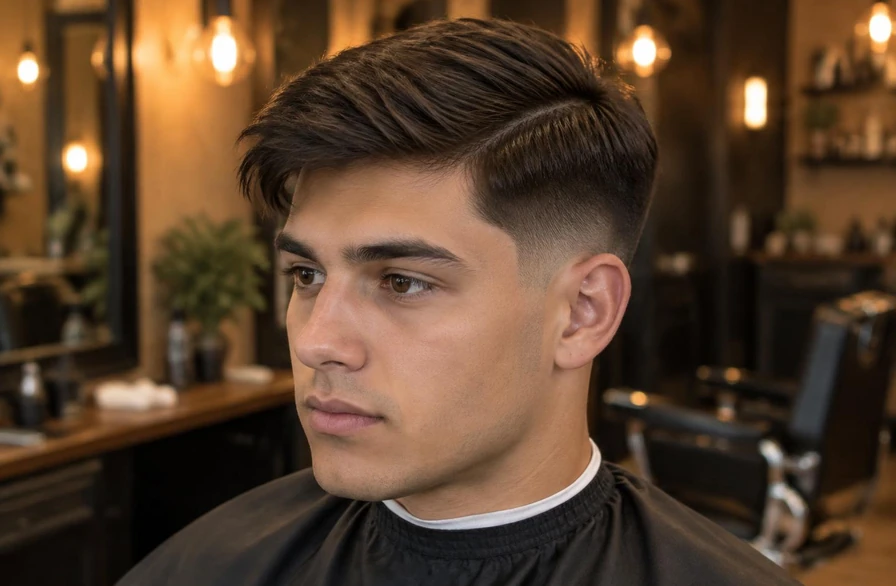
The modern version loosens up. The top is slightly shorter and more textured, the part is softer, and the front is pushed up and over instead of flattened down. It looks current without trying too hard. A matte clay works well here, and the maintenance level is low to medium.
3. Textured Low Taper Fade Side Part
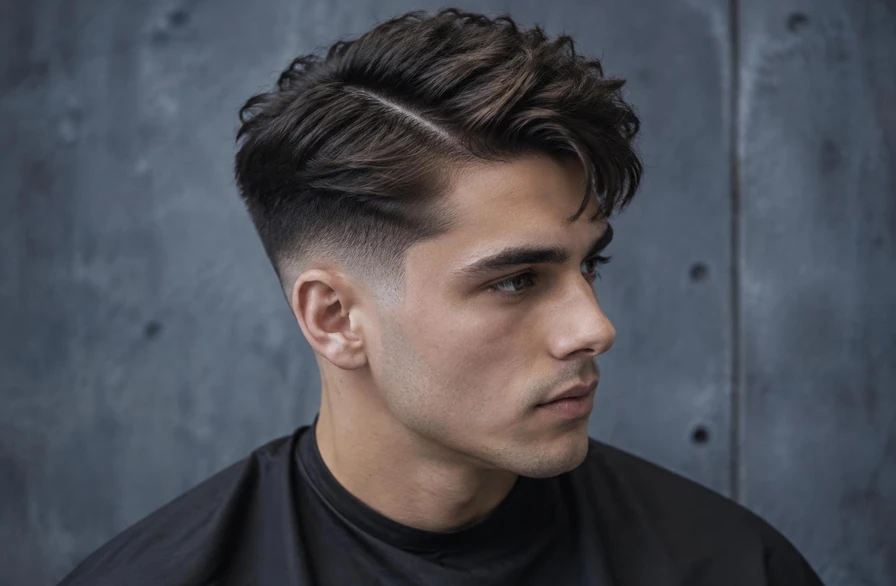
Here the top is cut with point-cutting or thinning shears so the ends look separated and a little rough. The fade stays clean while the top has movement. It is a good fit for straight, fine hair that tends to look flat, and it hides cowlicks well. Tell your barber you want “texture and weight removed from the top, not a blunt cut.”
4. Short Low Taper Fade Side Part
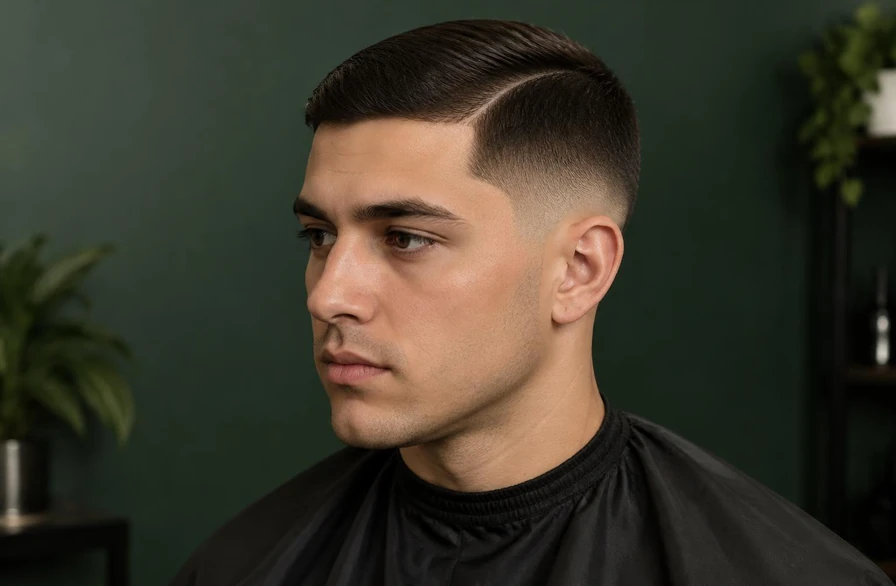
For a short version, the top is kept around 2 to 3 cm (about an inch), just long enough to hold a part. It is quick to style and good for hot weather, gym routines, and men who dislike product. A hard part helps this length look intentional. Expect a trim every three weeks, because short hair loses its shape fast.
5. Long Low Taper Fade Side Part
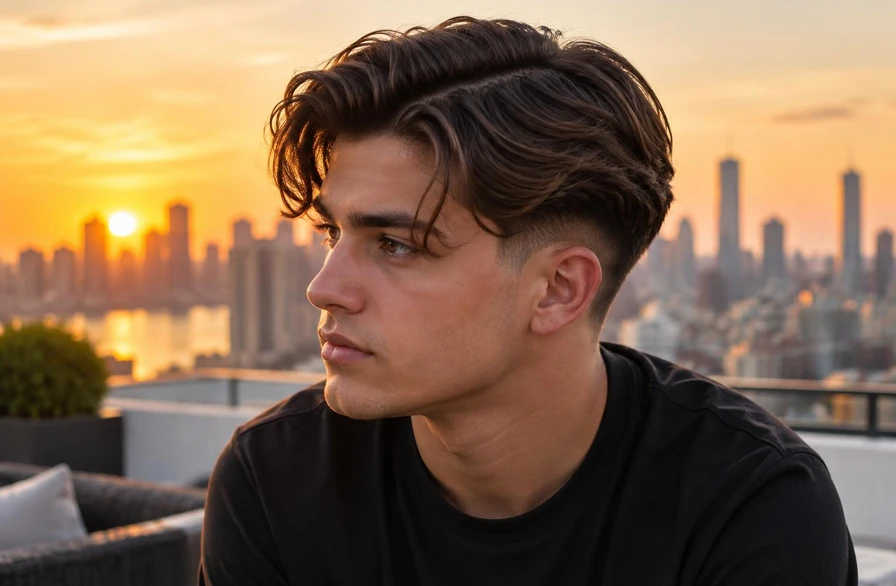
With 7 to 10 cm (around 3 to 4 inches) on top, this version is dramatic, with the hair sweeping across the forehead and the low taper keeping the sides disciplined. It needs strong control from a cream or light-hold pomade, plus a blow dryer. Wavy and thick hair handle the length best, while fine hair can look limp without a bit of volume powder.
6. Low Taper Fade Side Part with Hard Part
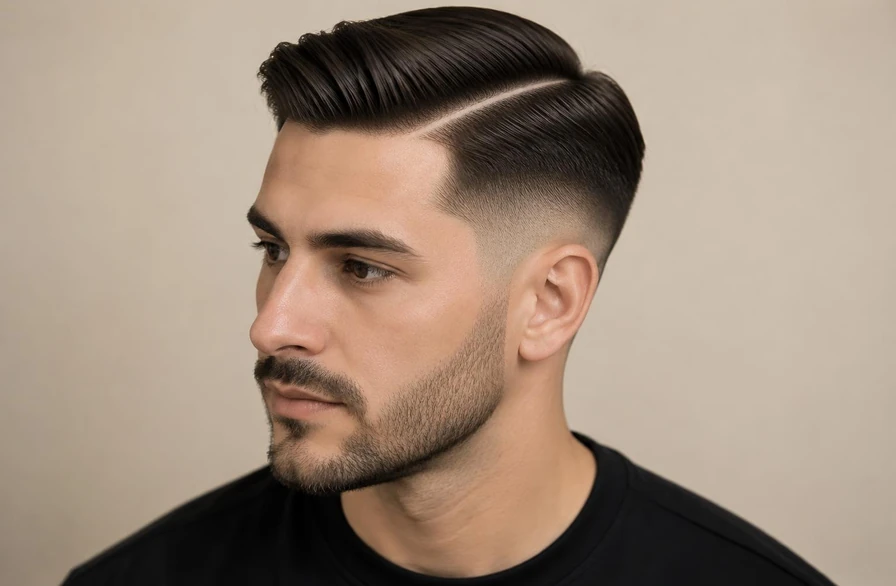
A hard part is a razor-shaved line that marks where the hair divides. It gives the cut a vintage, barbershop look and keeps the part visible all day, even as the hair moves. The line fades out as the hair grows, so most men need a refresh every two to three weeks. Ask for a “shaved-in part,” and tell the barber which side your hair naturally falls.
7. Low Taper Fade Side Part with Beard
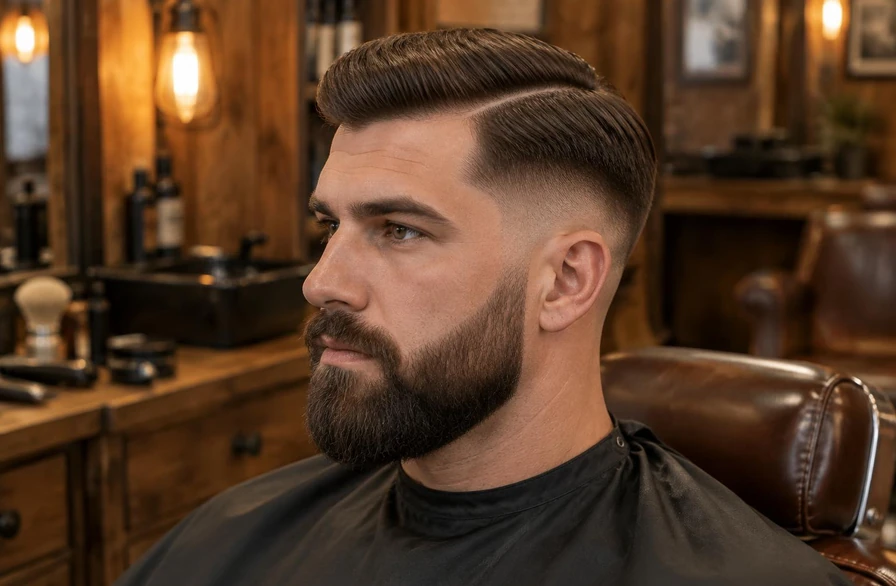
A low taper pairs especially well with a beard because the beard can blend into the fade at the sideburns without a harsh break. Keep the beard shaped with a clean neckline and cheek line. A short, neat beard keeps the look professional, while a fuller one adds weight to the lower face. Ask your barber to taper the beard into the sideburn so the transition is seamless.
8. Low Taper Fade Side Part with Line Up
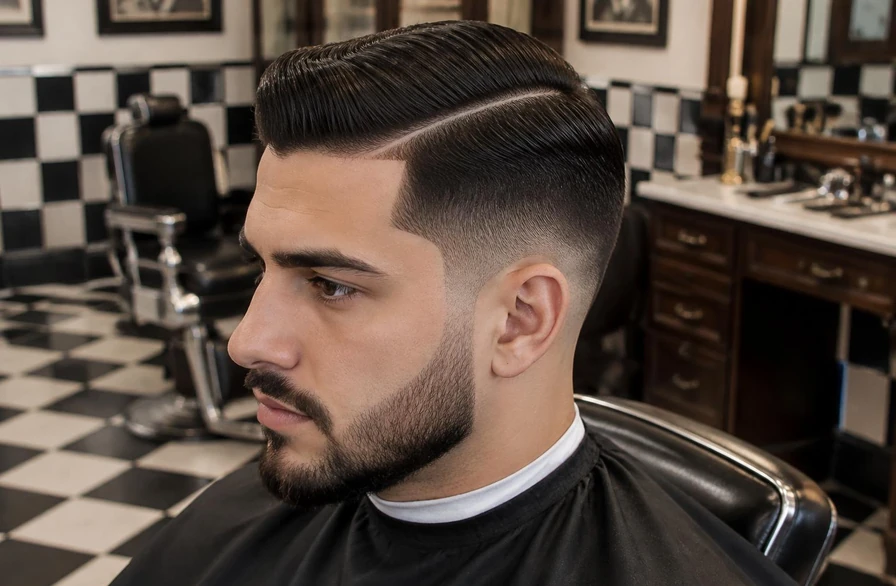
A line up, also called an edge up, is a crisp outline along the forehead and temples, drawn with a trimmer. It sharpens the frame of the face and makes the part stand out. It works best on thick hair with a strong hairline, and it needs touch-ups every one to two weeks. If your hairline is receding, ask for a soft, natural line instead of a hard one.
9. Straight Hair Low Taper Fade Side Part
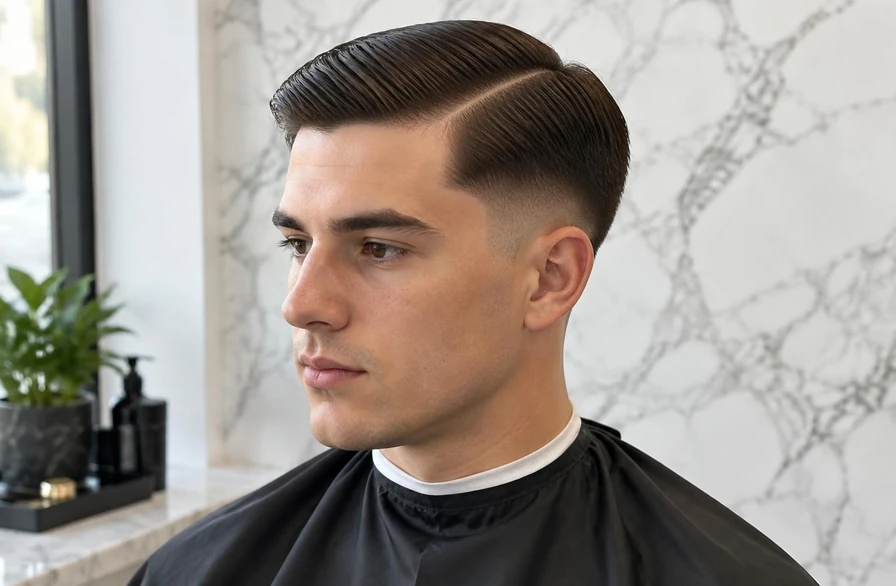
Straight hair shows the part more clearly than any other type, so the result looks precise and polished. It can fall flat, though, so ask for some layering on top and use a lightweight product. A blow dry with a comb gives the front a clean lift. Because straight hair also shows every uneven line, choose a barber who is careful with blending.
10. Wavy Hair Low Taper Fade Side Part
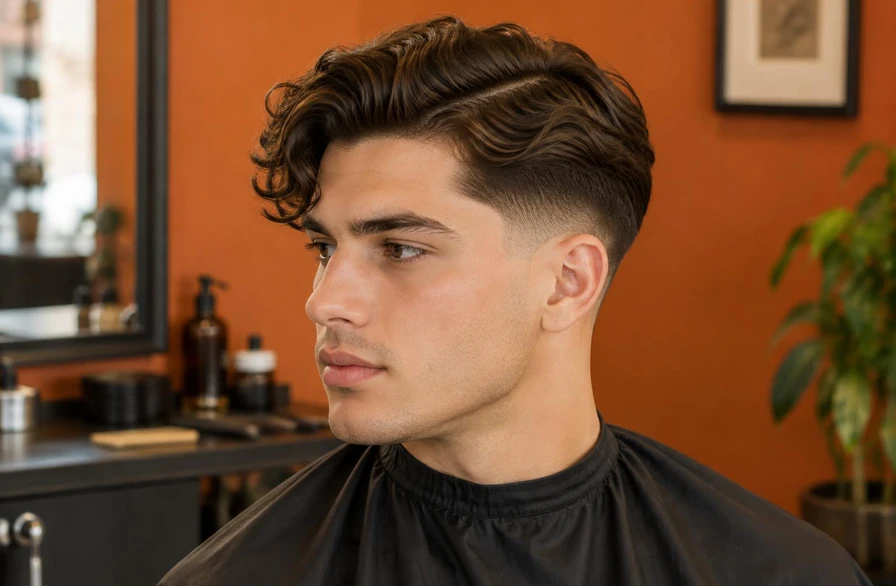
Wavy hair gives the top natural body, so the side part looks relaxed and full without much effort. Keep enough length, about 5 to 8 cm, so the wave can form. A sea salt spray or light cream defines the pattern without making it stiff. This is one of the lowest-effort versions on the list.
11. Curly Hair Low Taper Fade Side Part
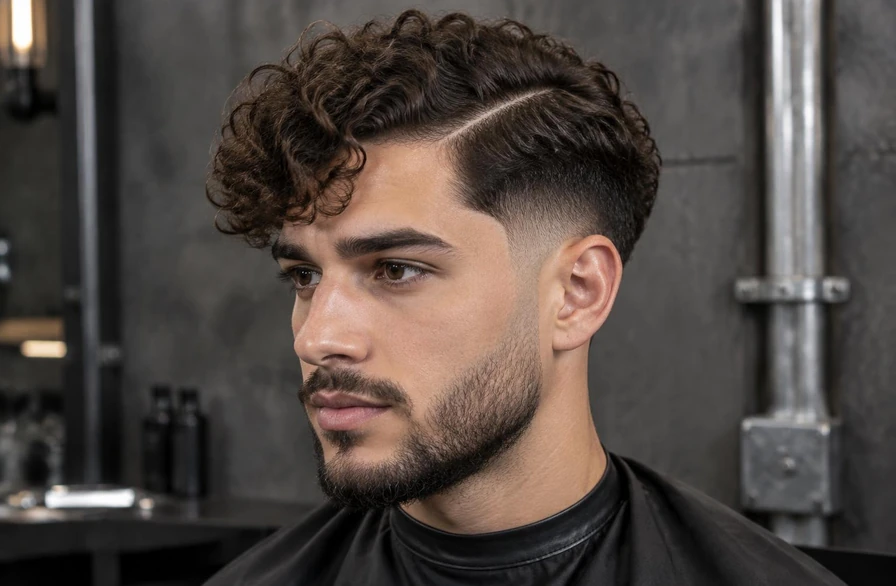
Curls can carry a side part beautifully, especially when the sides are tapered neatly to keep the shape balanced. Let the top grow a little longer so the curls have room to sit, and ask the barber to cut them dry so they see how they fall. Use a curl cream, and avoid brushing dry curls. A diffuser helps if you want more shape.
12. Thick Hair Low Taper Fade Side Part
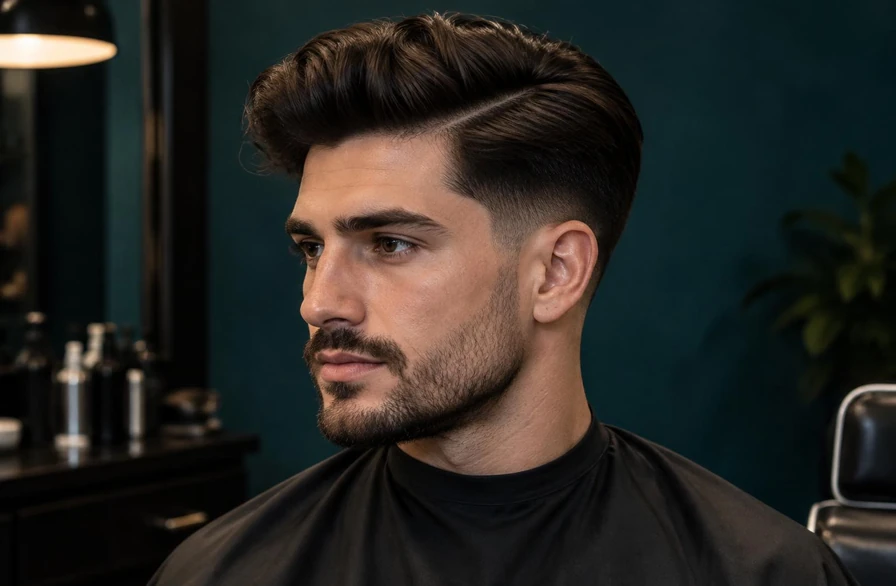
Thick hair can look heavy and puffy on top, so the key is weight control. Ask for internal layering or thinning to remove bulk without losing length. A firm pomade or clay keeps the part in place against the hair’s natural push. The low taper helps here too, since it avoids the sudden contrast that makes thick hair look top-heavy.
13. Thin Hair Low Taper Fade Side Part
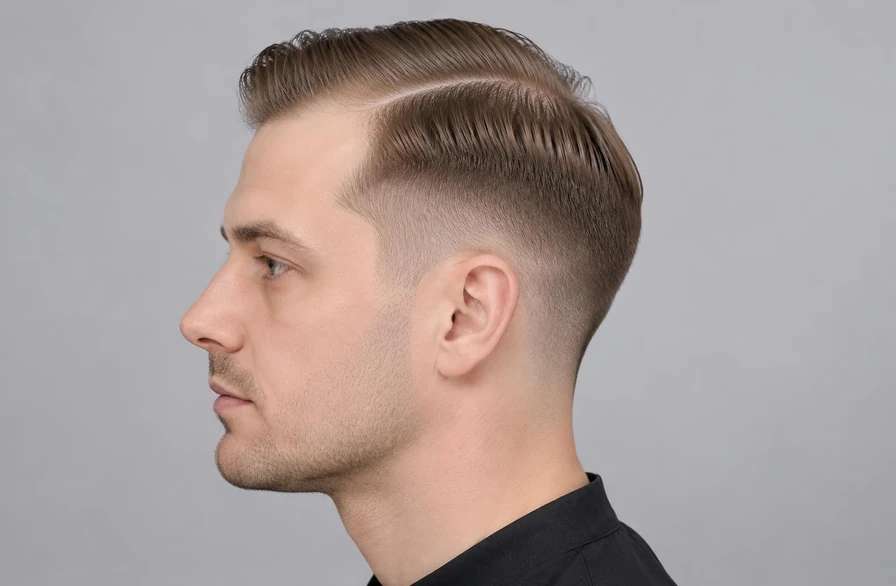
Fine or thinning hair benefits from a slightly shorter top, usually 3 to 5 cm, because short hair looks denser. Keep the taper subtle so there is not too much contrast. Avoid heavy, shiny products that clump the hair and expose the scalp. A texture powder or light paste adds volume, and a part placed where the hair naturally falls looks the most believable.
14. Low Taper Fade Side Part with Volume
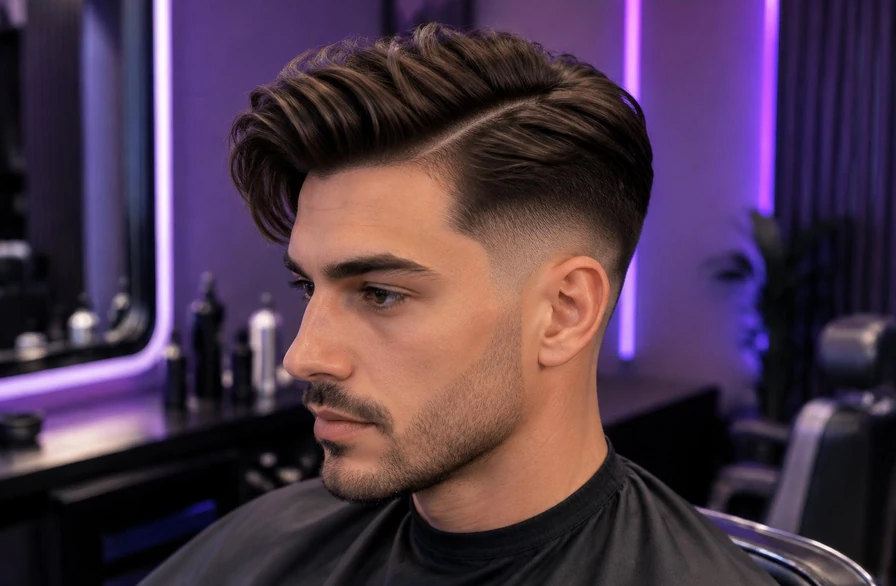
This version lifts the front and sweeps it up and across, giving a fuller, more youthful shape. Blow dry the roots upward first, then set the part with a comb and a flexible-hold product. It suits oval, long, and square faces. On a round face, keep the volume modest so the head does not look wider.
15. Professional Low Taper Fade Side Part
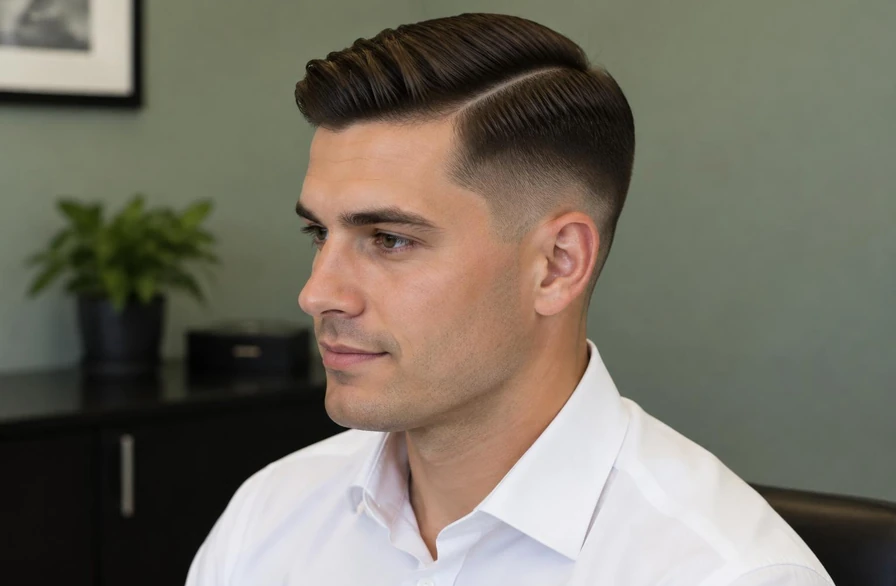
This is the interview-ready version: a clean, medium-length top, a natural part, a very soft low taper, and no extreme lines. The finish is matte or low-shine so it never looks overdone. It is a safe pick for law, finance, healthcare, and client-facing jobs. Ask for “conservative and easy to maintain.”
16. Low Taper Fade Side Part for Teen Boys
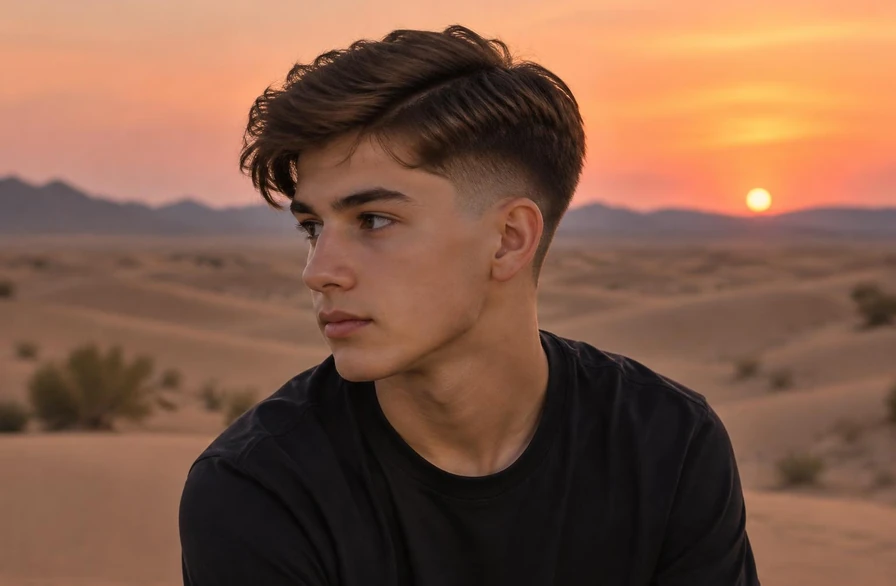
For teens, the cut should be simple and low-maintenance. A short taper, a top about 4 to 6 cm long, and a soft part work well, and a little paste or sea salt spray is all the product they need. This is also a sensible first fade, because the low taper looks natural during school and grows out without drama.
17. Asian Low Taper Fade Side Part
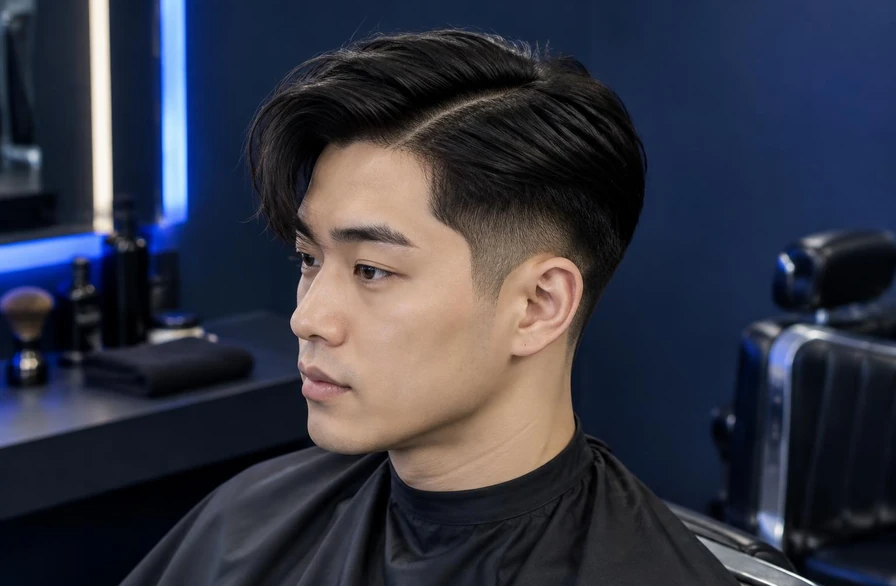
Asian hair is often straight, thick, and strong, so it holds a side part well but can be stubborn and heavy. Ask for texture and weight removal on top, and use a firm clay to control the direction. A slightly longer fringe can be swept to the side for a soft, polished look. Check the crown, because strong growth patterns there can pull the part off course.
18. Blonde Low Taper Fade Side Part
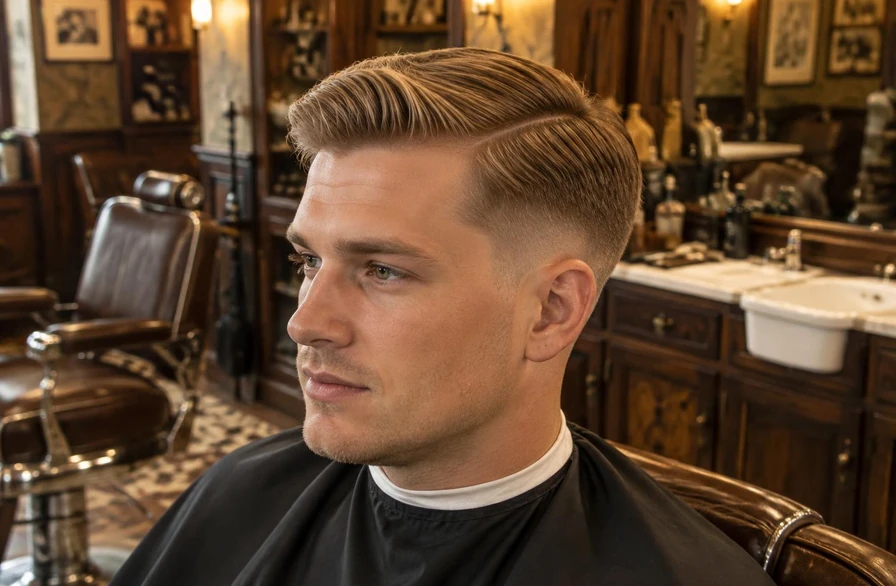
Blonde hair, natural or bleached, makes the fade look softer and the texture more visible. If the color is bleached, keep the top a little shorter, since lightened hair is more fragile. Use a hydrating product and a purple shampoo now and then to control brassiness. The low taper keeps the cut from looking too stark against light hair.
19. Layered Low Taper Fade Side Part
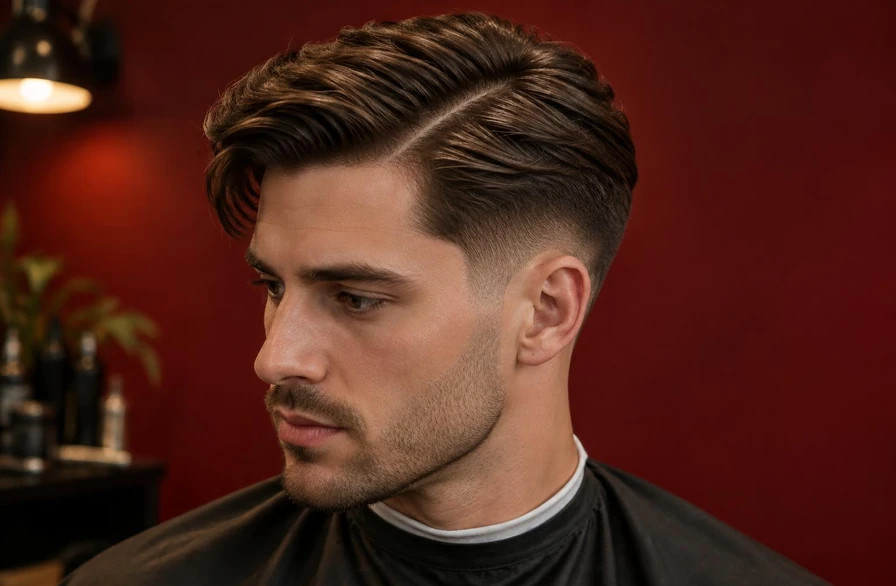
Layers add shape and movement on top so the part looks full instead of flat. Short layers near the crown give lift, and longer ones in front give the sweep. It suits medium to thick hair well. Ask for “layers that blend into the part,” because choppy layers can make the cut look unfinished.
20. Trending Low Taper Fade Side Part
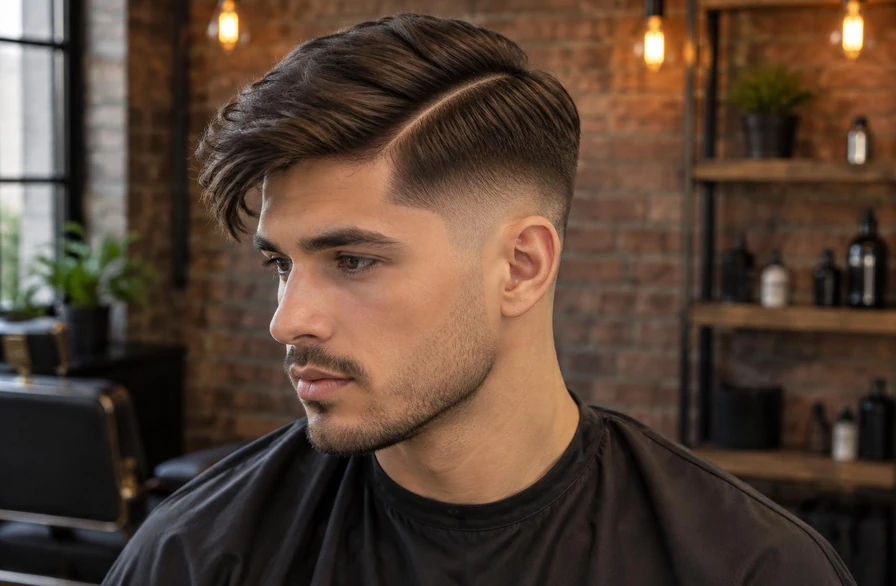
The current direction leans toward softer, more natural finishes: slightly longer tops, visible texture, a less severe part, and a fade that blends instead of showing a sharp skin line. Ask your barber for a “soft taper with a lived-in side part.” Bring a reference photo, since trends are easier to show than describe.
21. Low Taper Fade Side Part with Messy Top
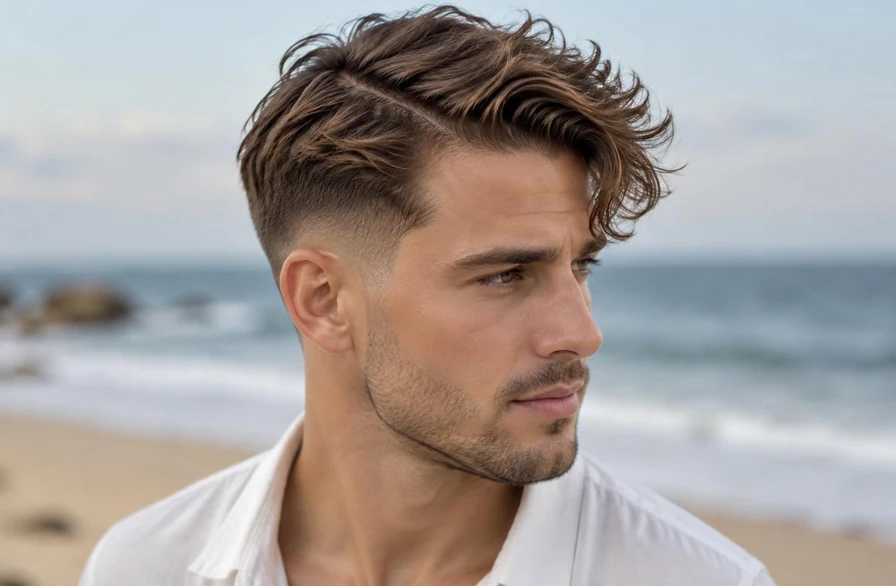
The messy version breaks the rules on purpose. The top is cut with plenty of texture, styled with a matte paste, and the part is left loose and slightly undone. It reads as relaxed and confident, and it is forgiving if you have cowlicks or uneven growth. The sides stay neat, so the contrast keeps it looking deliberate.
How to Ask Your Barber for a Low Taper Fade Side Part
Most bad haircuts come from vague instructions. A photo plus a few precise words solves nearly everything.
What to Tell Your Barber
Try something like this: “I’d like a low taper fade, blended around the ears and neckline, with a side part on top. Leave about [length] on top, and please blend the sides into it.” Then add whether you want a natural or hard part, and show a photo from the front and side.
Also mention whether you want the neckline tapered or squared, and how much time you spend styling each morning.
Best Clipper Guard Numbers
Guard numbers vary slightly between clipper brands, so treat these as a guide. Most barbers start the fade with the shortest setting, a #0 or #1, near the bottom, then blend upward through a #2 and #3 before meeting the longer top. A bald or skin-level finish is possible but less common for this cut, since it is meant to look softer.
Recommended Fade Height
Keep the fade low, starting roughly at the bottom of the ear and curving around to the nape. A low taper should not reach the temples or climb above the top of the ears. If you want a little more contrast, ask for a “low-mid” fade, but be aware that it will look sharper and need more frequent trims.
Ideal Hair Length on Top
A good starting range is 4 to 8 cm (about 1.5 to 3 inches). Shorter than that and the part struggles to hold. Longer than that and you may need heavier product and more styling time. Choose the length based on your hair type: shorter for fine hair, longer for thick or wavy hair.
Hard Part vs Natural Side Part
| Hard part | Natural part | |
| Look | Sharp, vintage, defined | Soft, relaxed, modern |
| Upkeep | Refresh every 2 to 3 weeks | Trim every 4 to 5 weeks |
| Best for | Formal settings, short to medium hair | Everyday wear, wavy or thick hair |
| Flexibility | Fixed position | Easy to move or change |
Best Face Shapes for Low Taper Fade Side Part
This cut is flexible, but small tweaks in length, volume, and part placement help it flatter your face.
Oval Face Shape
Oval faces are balanced, so almost any version works. Try the classic or the modern style and change the length to suit your taste.
Round Face Shape
Add height and keep the sides tight. A little volume at the front, a deeper part, and a slightly longer top elongate the face. Avoid a flat, wide top.
Square Face Shape
A strong jaw already gives definition, so choose softer styling. A natural part with some texture balances the angles, and the low taper keeps the sides from looking too severe.
Diamond Face Shape
Diamond faces are widest at the cheekbones, so keep the sides close and let the top carry some fullness. A side-swept fringe softens the forehead and brings attention to the eyes.
Heart Face Shape
A wider forehead and narrower chin do well with a medium-length top swept to the side. Avoid too much volume at the front. A beard can add balance at the jaw.
Oblong Face Shape
Longer faces look best with less height and more width. Keep the top moderate in length, avoid a tall quiff, and choose a natural part with side fullness rather than lift.
Best Hair Types for Low Taper Fade Side Part
Your hair texture decides how much work the style takes, more than any other factor.
Straight Hair
Straight hair gives the sharpest part and the cleanest finish. Add texture on top so it does not look flat.
Wavy Hair
Wavy hair is the easiest to work with. It has natural movement and body, so the style looks effortless with very little product.
Curly Hair
Curly hair can look great with a side part if the top has enough length and the sides are tapered cleanly. Moisture matters more than hold.
Thick Hair
Thick hair needs thinning or layering to control bulk. A firm-hold product keeps the part in place.
Thin Hair
Thin hair looks best with a shorter top and a subtle taper. Use light products and add volume at the roots.
Medium-Length Hair
Medium length, around 5 to 7 cm, is the sweet spot. It is long enough to part and sweep, and short enough to style in a couple of minutes.
Pros and Cons of Low Taper Fade Side Part
| Pros | Cons |
| Works with most hair types and face shapes | Needs a trim every 3 to 4 weeks to stay sharp |
| Looks professional and casual | Hard part needs frequent refreshing |
| Grows out neatly | Needs a comb and product to look its best |
| Easy to ask for and customize | Cowlicks and crown swirls can fight the part |
| Easy to pair with a beard | Very thin hair can make the part look sparse |
How to Style a Low Taper Fade Side Part
Styling takes about five minutes once you know your hair.
Best Styling Products
- Pomade (water-based): Strong hold and shine, good for a polished or classic look.
- Matte clay: Texture and hold without shine, best for thick or modern styles.
- Styling cream: Light control for wavy and curly hair.
- Sea salt spray: Adds grip and body to fine hair before blow drying.
- Texture powder: Instant lift for thin hair.
Step-by-Step Styling Guide
- Start with towel-dried, slightly damp hair.
- Apply sea salt spray or a pre-styler if your hair is fine.
- Blow dry the roots, directing the hair away from the part, then toward the side.
- Find your natural part by pushing hair back and letting it fall, or use a comb to draw a clean line.
- Warm a pea-sized amount of product in your hands and work it through from back to front.
- Comb the larger section across and smooth the smaller side.
- Finish with a light spray if you need all-day hold.
How to Create More Volume and Texture
Blow dry the roots upward before you part. Use a texture powder at the crown, then style with a matte product. For extra texture, rake your fingers through the top after combing and let a few pieces fall naturally. Do not overload the hair, because too much product removes volume.
How to Maintain a Low Taper Fade Side Part
How Often Should You Get a Trim?
Most men do well with a trim every three to four weeks. If you have a hard part, a line up, or a short top, aim for every two to three weeks. A longer, textured top can stretch to five weeks, as long as the neckline is not growing out untidy.
Daily Hair Care Tips
- Wash two to four times a week, depending on how oily your scalp is.
- Use conditioner on the lengths if your hair is dry or curly.
- Rinse out product fully so it does not build up.
- Sleep with the hair loosely combed in the direction of the part if it tends to flip.
- Protect the hair with a heat spray when you blow dry.
How to Keep Your Side Part Neat
Comb the hair while it is damp so the part trains in one direction. Avoid changing the part from day to day, since that confuses the roots. If a cowlick keeps fighting you, place the part slightly off the cowlick or ask your barber to cut the top a little shorter in that spot. A quick touch with a comb and a small dab of product fixes most midday flyaways.
Low Taper Fade Side Part vs Other Hairstyles
Low Taper Fade Side Part vs Comb Over
The two are close relatives. A comb over is a side part with the hair combed across in one sweep, often with a more dramatic height difference between top and sides and sometimes a high or skin fade. The low taper side part is subtler, with a gentler blend and a more natural part. Choose the comb over for a bold, sharp finish and the low taper side part for something more versatile.
Low Taper Fade Side Part vs Slick Back
A slick back pushes everything straight back with no part, usually with shine and a firmer hold. It looks dramatic and works on thick hair, but it shows a receding hairline and needs more product. The side part is softer and more forgiving, and it suits a wider range of hairlines.
Low Taper Fade Side Part vs Quiff
A quiff lifts the front upward and back, creating height and volume, with no visible part. The side part lies flatter and neater and is easier to wear to the office. If you like height but want to keep it tidy, try the volume version (style 14) as a middle ground.
Celebrity Inspiration for Low Taper Fade Side Part
Polished side-parted cuts with tapered sides are a staple on red carpets and in interviews. Actors such as Ryan Gosling, Henry Cavill, and Chris Evans, and athletes such as David Beckham, have all been photographed with versions of a tapered side part over the years. Their exact cuts vary from shorter and neater to longer and looser, so use them as a reference for the overall shape, not a blueprint. Save two or three photos with the same hair type as yours and show them to your barber, since the same cut can look quite different on straight and wavy hair.
Common Mistakes to Avoid
- Going too high on the fade. A low taper loses its softness if it climbs above the ears.
- Cutting the top too short. If the part cannot hold, the whole style falls apart.
- Using too much product. Heavy, greasy hair hides the shape and flattens the top.
- Ignoring your natural growth pattern. A part that fights a cowlick will not last the day.
- Skipping trims. Grown-out sides lose the clean contrast within a few weeks.
- Bringing no reference photo. Words alone leave too much room for interpretation.
- Picking a style that ignores your hair type. A fine-haired man copying a thick-haired celebrity usually gets disappointed.
Frequently Asked Questions (FAQs)
Final Thoughts
The low taper fade side part earns its popularity by being adaptable. Its neat blend on the sides keeps things clean, while the parted top lets you dial the look up or down, from a conservative office cut to a textured, relaxed style.
If you are unsure where to start, go with the classic or modern version, keep the top around 5 to 6 cm, and choose a natural part. Take a reference photo, tell your barber how much time you want to spend styling, and book a trim every three to four weeks. If your hair is fine, shorten the top. If it is thick, ask for weight removal. If it is wavy or curly, let it grow a bit longer and style it with a cream.
Once you have the right cut and a simple routine, this is one of the easiest hairstyles to look good in every day.

Daniel Carter
Hi, I’m Daniel Carter, the founder of The Fade Haircuts. I’m passionate about men’s hairstyles, modern fade cuts, and grooming trends. Through this website, I share hairstyle inspiration, detailed haircut guides, and practical grooming tips to help men find their perfect look.
Learn More About Us →