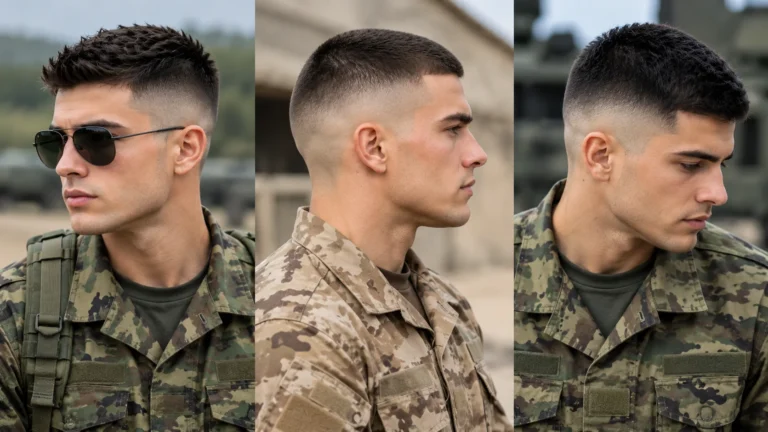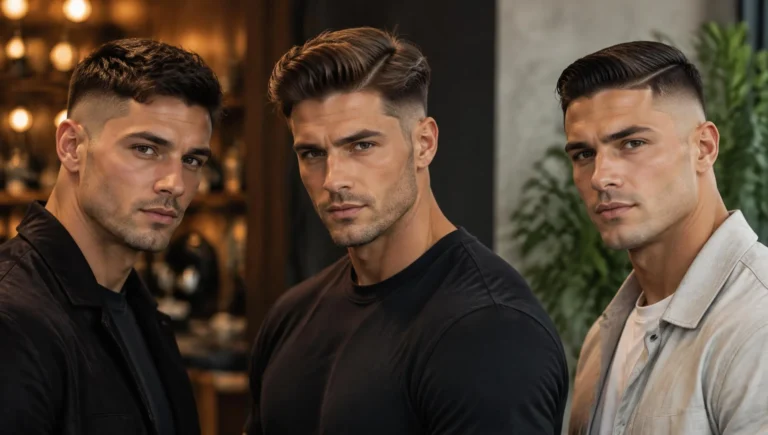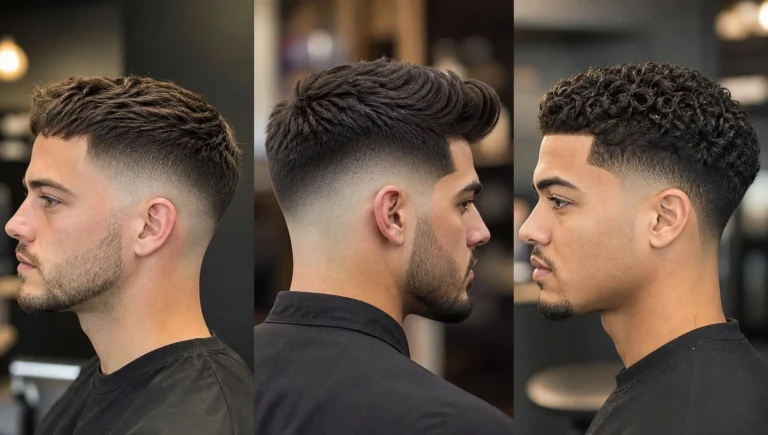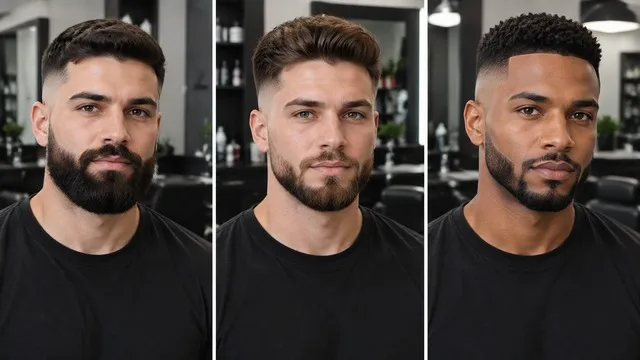
15 Modern Fade Haircut Afro Styles & Ideas for Men (2026)

An afro paired with a clean fade is one of those combinations that just works. The natural volume and texture on top gets to be the star of the show, while tight, faded sides give the whole haircut structure and polish. It’s a pairing that reads as effortless even though there’s real skill behind getting it right.
Part of what makes the fade haircut afro so popular is how much room it leaves for personal style. You can keep the afro short and low-key, let it grow full and voluminous, or add sharp design details into the fade for something bolder. Whatever direction you go, the fade underneath does the work of making the whole thing look intentional.
This guide covers what a Fade Haircut Afro actually is, how a Fade Haircut works with different afro styles, the curl care basics that keep it looking healthy, 15 style variations organized by afro size, curl pattern guidance, face shape advice, a full barber breakdown, a DIY guide, pricing, maintenance, and honest answers to the most common questions.
What is a Fade Haircut Afro?
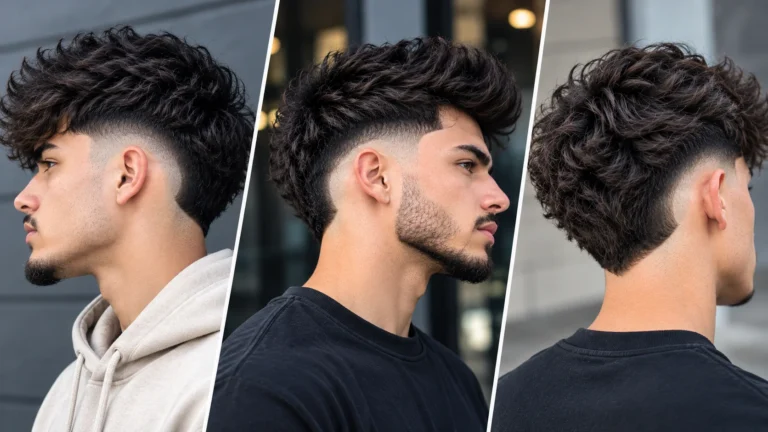
A fade haircut afro combines a natural afro on top with hair that gradually shortens on the sides and back down to a short length or bare skin. The fade can sit low, mid, or high depending on how much contrast you want, while the afro itself can be worn short, medium, or full.
Why This Combination Works So Well
Afro hair holds volume and shape naturally, so it doesn’t need much styling effort to look full and defined. The fade underneath adds contrast and structure that makes the whole haircut look deliberate rather than just grown out. It’s a combination that works equally well for a job interview or a night out, which is a big part of why it’s stayed such a dependable choice.
Afro Care Basics Before You Even Get to the Fade
Afro hair tends to be naturally drier than other textures, so moisture matters more here than almost anything else. Leave-in conditioners, curl creams, and light oils applied regularly keep both the afro and the scalp underneath healthy, which in turn makes the whole haircut look better and hold up longer between barber visits. Gentle handling matters too — aggressive brushing or picking can cause breakage, so a light touch with a proper hair pick goes a long way.
15 Best Fade Haircut Afro Styles, Organized by Afro Size
Short & Low-Maintenance Afro
Short Afro Fade Haircut

The afro stays short and easy to manage while the fade keeps everything looking clean and polished. It’s ideal for active lifestyles or anyone who wants minimal daily styling. Lightweight moisturizer applied daily prevents dryness without weighing hair down.
Taper Fade Haircut Afro

Rather than dramatically removing hair, the taper gradually shortens around the temples and neckline, keeping most of the afro’s fullness intact. It works well for school, work, or casual settings alike. Curl cream paired with a hair pick keeps volume looking full and defined.
Low Fade Haircut Afro

Starting just above the ears, this follows the natural hairline for a subtle, clean transition while leaving plenty of length on top. It’s a great entry point for first-time fade wearers who want something sharp but not too dramatic. Asking your barber to blend the fade smoothly into the afro is key to keeping the transition natural.
Medium Afro
Curly Afro Taper Fade Haircut

This focuses on enhancing natural curls while keeping the edges clean, letting the curls stay the visual focus while the taper adds shape underneath. It’s especially popular for anyone who wants their natural texture front and center. Curl-defining cream applied after washing keeps curls hydrated and well-shaped.
Tapered Afro and Low Fade Haircut

Combining a more controlled afro shape with a low fade gives a look that feels modern but still classic. There’s enough volume on top while the sides stay clean around the ears and neckline. Regular barber visits every few weeks keep the taper looking sharp.
Afro Fade Haircut Black

One of the most recognizable styles in Black men’s grooming, this highlights natural texture while the fade adds a clean, structured edge. It pairs especially well with sharp lineups, hair designs, or a well-groomed beard. Leave-in conditioner used regularly keeps hair healthy and prevents dryness.
Full Afro
High Fade Haircut Afro

Starting high on the head, this creates dramatic contrast that makes the afro appear even fuller and more prominent by comparison. It’s a confident, eye-catching choice for anyone who wants their haircut to stand out. Keeping the top shaped regularly maintains balance between the bold fade and the full afro.
Afro With a High Taper Fade Haircut

This gives you a clean taper around the temples while preserving the afro’s full volume, offering real versatility across face shapes. A quality sponge brush works well if you want to create textured twists on top for extra styling variety.
Drop Fade Haircut Afro

The fade curves downward behind the ears rather than running straight, adding extra dimension and a more unique overall shape. Pairing it with a sharp lineup gives a clean, modern finish that makes the drop detail really stand out.
Design-Driven & Bold
Skin Fade Haircut Afro

Taking the fade all the way down to bare skin creates the boldest possible contrast against a full afro, giving a sharp, high-impact look. This version needs more frequent touch-ups than a softer taper, since regrowth on bare skin shows quickly.
Afro Fade Haircut With Shaved Line Design

Adding a shaved line or pattern into the fade gives the haircut extra personality and detail beyond the fade itself. It’s a popular way to make a fairly classic combination feel more current and personalized. Regular trimmer touch-ups keep the design looking crisp as hair grows.
New Fade Haircut Afro Styles Worth Knowing
Afro Fade Haircut With Beard

Blending the fade into a well-groomed beard creates a complete, balanced look that pairs structured hair with equally sharp facial hair. It’s a mature, polished combination that works especially well for professional settings.
Afro Fade for Thinning Hair or Receding Hairline

Keeping a bit more volume toward the crown while fading the sides tightly helps draw attention away from a receding hairline and creates a fuller overall impression. It’s a practical, confidence-friendly option rather than something that looks like it’s trying to hide anything.
Afro Fade for Women

More women are requesting fade haircut afro styles too, often keeping the afro fuller on top while the sides stay tightly faded for a bold, structured contrast. Discussing curl pattern and scalp sensitivity with your stylist beforehand helps get the proportions right.
Fade Haircut Afro by Curl Pattern
Looser Curls (3A–3B)
Looser curl patterns tend to pair especially well with a low or taper fade, since the softer curl doesn’t need dramatic contrast to stand out. Lightweight curl creams keep definition without weighing the curls down.
Tighter Curls & Coils (3C–4A)
This range holds volume particularly well, which makes mid to high fades a strong option, since the added contrast really shows off the curl pattern’s natural shape and bounce. Regular moisturizing and a diffuser dryer help maintain definition while minimizing frizz.
Dense Coily/Zigzag Textures (4B–4C)
Denser, tightly coiled textures hold the most volume of any curl pattern, making bold choices like a skin fade or high fade especially striking, since there’s maximum contrast to work with. This texture needs the most consistent moisture, so daily leave-in conditioner and gentle detangling are essential.
Fade Haircut Afro by Face Shape
Round Face
Round faces generally benefit from higher fades that add height, since the extra structure helps elongate the face and balance out its roundness.
Square Face
Square faces tend to look sharp with low fades and clean, defined edges, which complement an already strong jawline without adding unnecessary extra angles.
Oval Face
Oval faces are naturally balanced, so nearly any fade haircut afro variation works comfortably — the decision really comes down to personal style and afro size preference rather than correcting anything specific.
Low, Mid, High & Skin Fade — Comparison Table
| Feature | Low Fade | Mid Fade | High Fade | Skin Fade |
| Starting point | Above ears | Temple area | Near crown | Any height, to bare skin |
| Contrast against afro | Subtle | Moderate | Bold | Maximum |
| Touch-up frequency | Every 2–3 weeks | Every 2 weeks | Every 1–2 weeks | Every 1–2 weeks |
| Best for | First-timers, professional settings | Everyday versatility | Bold, full afro looks | Sharpest possible contrast |
How Barbers Blend a Fade Into an Afro
Prepping & Picking Out the Afro
The barber starts by picking out the top section to reveal the afro’s natural shape, which makes the fading process more accurate and helps them see exactly how the final result will look.
Setting the Baseline & Building Guidelines
Using a trimmer, a clean baseline is set around the head, gradually lowering as it moves toward the back to match the head’s natural shape. From there, guidelines are built upward in stages using progressively longer guards, each one blended carefully into the section below it.
Blending the Afro Into the Fade
This step relies heavily on clipper-over-comb and shear-over-comb techniques, since afro hair needs more careful handling to blend seamlessly into the fade while preserving its natural fullness and shape. It’s often the most technically demanding part of the whole haircut.
Lineup, Beard Blend & Final Touches
Once the fade is fully blended, the barber creates a sharp lineup around the forehead, temples, and sideburns using a trimmer. If a beard is part of the look, this is the point where it gets blended into the fade as well, creating one seamless, unified style rather than two separate elements.
Doing a Fade Haircut Afro at Home (DIY Guide)
Tools & Guards You’ll Need
You’ll want a range of clipper guards from #0 up through #3, a detail trimmer for precise lineup work, and a hair pick for shaping and checking the afro as you go.
DIY Step-by-Step
Start by picking out the afro to see its natural shape clearly, then set your baseline low around the head using your longest guard. Work upward gradually through shorter guards, blending each new guideline into the section below with small, controlled strokes. Take extra care where the fade meets the afro, since that transition needs the most patience to get smooth. Finish with a detail trimmer for a sharp lineup around your hairline.
Common DIY Mistakes to Avoid
Rushing the blend between guard sizes is the most common mistake, and it’s especially visible against the contrast of a full afro. Cutting the afro too short before checking how it settles is another issue, since curl patterns shrink up more than people expect once fully dry. Practicing on a lower-stakes trim before attempting a full DIY fade haircut afro is always a smart move.
Styling & Daily Afro Care
Products Worth Using
Curl-enhancing creams and leave-in conditioners keep curls defined and hydrated, while lightweight oils help lock in moisture without leaving hair greasy. A hair pick is essential for adding volume and shape without disrupting the natural curl pattern.
Nighttime Protection Routine
Sleeping in a satin bonnet or on a satin pillowcase reduces friction that leads to frizz and breakage, helping both the afro and the fade look fresher for longer between barber visits.
Talking to Your Barber
Explaining Fade Height & Afro Size to Keep
Be specific about whether you want a low, mid, high, or skin fade, and let your barber know how much volume you want to keep in the afro itself. This detail matters more here than with straight hair, since afro texture and density can vary a lot between people.
Requesting a Beard Blend or Design Detail
If you have a beard, mention whether you want it blended into the fade for a unified look. If you’re interested in a shaved line or design detail, bring a reference photo so your barber can match your expectations precisely.
Fade Haircut Afro Cost Guide
Barbershop vs Salon Pricing
Barbershops experienced specifically with afro and textured hair typically price this cut reasonably, especially shops that specialize in Black hair and curl-specific techniques. Salons may charge more, often because visits include extras like deep conditioning or a longer consultation. It’s worth asking directly about a barber’s experience with afro texture before booking, since not every shop handles this hair type equally well.
Maintenance & Longevity
Touch-Up Schedule
Most fade haircut afro styles need a touch-up every 2 to 3 weeks to keep the fade looking sharp, with bolder skin fade versions needing attention closer to every 1 to 2 weeks.
How Long Does the Fade Stay Sharp?
On average, the fade portion holds its clean line for about 2 to 3 weeks before regrowth starts to blur the contrast, while the afro on top can typically go longer between full shaping sessions.
Growing Out the Fade Without Losing Afro Shape
As the fade grows out, it tends to blend relatively gracefully into the natural curl pattern rather than looking patchy right away, especially with a softer, lower fade. Most people still want a fresh touch-up within a few weeks to keep the contrast against the afro looking clean and intentional.
Common Mistakes to Avoid with a Fade Haircut Afro
Going to a barber without genuine experience cutting afro and textured hair is one of the biggest risks, since technique needs real adjustment for curl pattern and density. Skipping regular moisturizing between cuts leaves both the afro and the fade looking less healthy overall. Waiting too long between touch-ups lets the fade blur into an uneven shape. And using heavy products meant for looser curl types can weigh down denser, coilier textures instead of enhancing them.
Fade Haircut Afro FAQs
Final Verdict: Choosing Your Fade Haircut Afro
With 15 variations to choose from, the right fade haircut afro really comes down to your curl pattern, how much volume you want to keep on top, and how bold you want the contrast underneath.
If you want something clean and easy to maintain, a low or taper fade with a shorter afro is a dependable starting point. If you want to really show off your natural texture, leaning into a fuller afro with a high or skin fade lets that volume take center stage. And if you want something with extra personality, a shaved line design or a beard blend adds detail without straying from what makes this combination work so well.
Whatever you choose, find a barber with genuine experience in afro and textured hair, bring a clear reference photo, and be specific about fade height and how much volume you want to keep. The fade haircut afro has earned its place as a modern classic — it’s really just a matter of finding the version that fits your hair and your style.