21 Trendy Short Fade Haircut Styles & Ideas for Men (2026)

There’s a reason the short fade keeps showing up as one of the most requested cuts in barbershops. It’s clean, it barely needs any morning routine, and it still manages to look deliberate rather than lazy. That combination is hard to beat, which is exactly why it’s stayed near the top of men’s haircut trends heading into 2026.
The short fade isn’t one fixed look either. It’s really more of a category — short hair on top, faded sides, and then a lot of room to adjust the height of the fade, the texture on top, and the details around the edges to make it your own.
This guide walks through what a short fade actually is, a quick way to figure out which version suits you, how to style and maintain it, 20 specific styles to consider, a full barber breakdown, a DIY guide, pricing, and honest answers to the questions people actually search for.
What is a Short Fade Haircut?
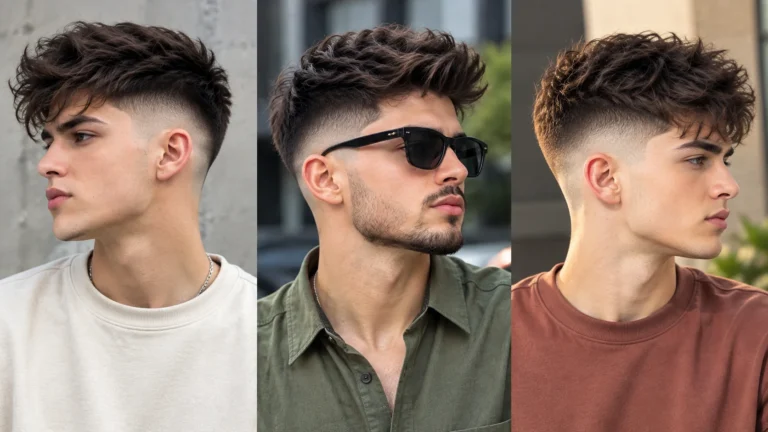
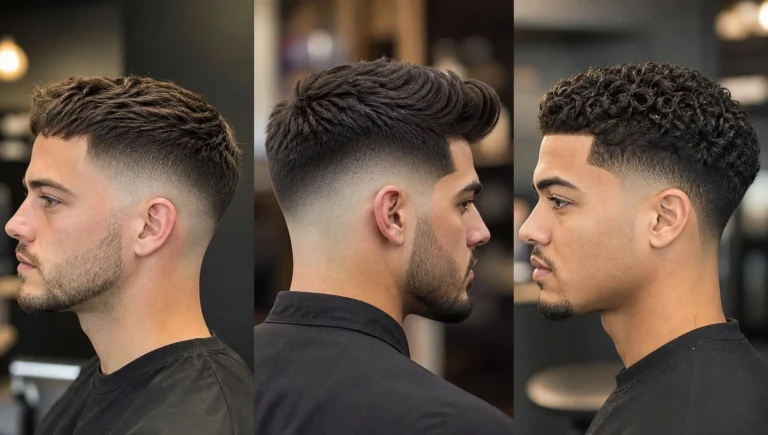
A short Fade Haircut is a style where the hair on top is kept short — usually an inch or less — while the sides and back gradually fade from that length down to very short or bare skin near the ears and neckline. The word “fade” refers to that gradual transition rather than an abrupt change in length.
Why Men Are Choosing Short Fades Over Longer Styles in 2026
Part of it is simply practicality. Short hair on top means less time spent styling every morning, less product needed, and a haircut that still looks sharp on day six or seven, not just the day you leave the barbershop. It also tends to suit a wider range of workplaces and lifestyles than longer styles, since it reads as clean and low-key rather than high-maintenance. On top of that, barbers have gotten increasingly skilled at adding small details — line designs, sharp lineups, textured crops — that keep a short fade from looking plain or generic.
Quick Decision Guide — Which Short Fade Fits You?
By Face Shape
Round faces generally do best with a bit of height on top and a higher fade, since the added structure helps elongate the face. Square faces tend to look most balanced with a softer taper and a bit more length on top to soften strong jaw angles. Oval faces are the most flexible — nearly any short fade variation works well.
By Hair Type
Straight hair shows off a clean taper or skin fade especially clearly, since there’s no texture to interrupt the line. Curly and coily hair pair well with a slightly softer fade that lets natural texture stay the focus on top. Thick hair can generally handle bolder, higher fades, while fine hair often looks fuller with a lower or softer fade.
By Maintenance Tolerance
If you want to visit the barber as rarely as possible, a low or taper fade with a slightly longer top holds its shape the longest. If you don’t mind more frequent trims in exchange for a sharper look, a high fade or skin fade delivers that but needs touch-ups every one to two weeks.
How to Style & Maintain a Short Fade
Daily Styling Routine
Start with clean, slightly damp hair rather than soaking wet. Work a small amount of product through evenly with your fingers, focusing on the top section. If you want extra texture, scrunch or tousle with your fingers rather than combing it flat. Finish with a light hold spray only if you need it to last through a particularly long or active day.
Products to Use by Hair Type
Straight hair does well with light matte pomade or clay that adds texture without weighing it down. Curly hair benefits from curl cream or a light mousse that defines without stiffness. Thick hair can handle stronger-hold pomades or gels. Fine hair should stick to lightweight, volumizing products, since anything heavier tends to flatten it.
Touch-Up Schedule & How Long It Lasts
Most short fades need a touch-up every 2 to 3 weeks to keep the fade line looking sharp. Higher or skin fade versions tend to need attention closer to every 1 to 2 weeks, since more hair is removed and regrowth shows faster. A softer, lower taper fade can often stretch to 3 or even 4 weeks before it starts looking noticeably grown out.
20 Best Short Fade Haircut Styles for 2026
Classic & Everyday Short Fades
Taper Short Fade Haircut

The Taper Fade Haircut features a soft, gradual transition around the ears and neckline, creating a professional look that works in offices, schools, and casual settings alike. The top can stay textured or neatly combed depending on the occasion. Light matte pomade keeps the hair neat without making it stiff.
Crew Cut Short Fade Haircut

Keeping the top slightly longer than a buzz while the sides fade smoothly, this timeless style suits nearly every face shape and needs very little daily styling effort. A small amount of matte clay adds texture without adding shine.
Buzz Taper Short Fade Haircut

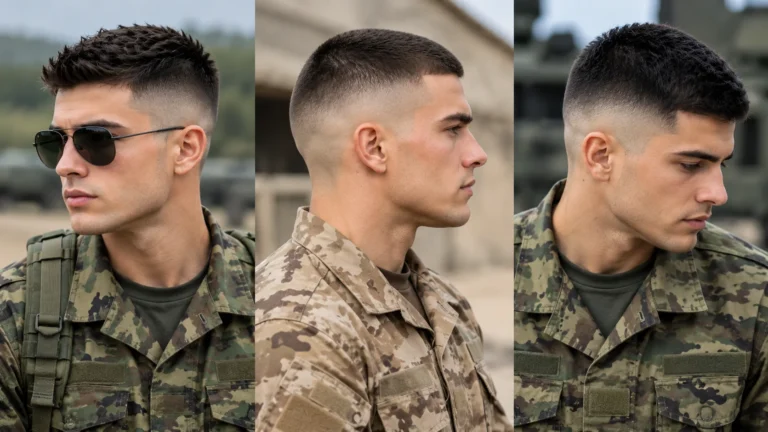
Combining a classic military-style buzz with clean, faded sides, this is about as low-maintenance as a short fade gets. It holds up especially well in hot weather or active routines. Visiting the barber every two weeks keeps the hairline looking crisp.
Short Fade Haircut Men Buzz Cut

A very short, clean buzz on top paired with faded edges gives a fresh, masculine finish that’s simple to maintain day to day. Scalp moisturizer helps keep the skin healthy between trims, especially if the sides go all the way to skin.
Military Short Fade Haircut Men

Very short sides paired with a cropped top give this a disciplined, extremely clean look from every angle. It’s a practical choice for anyone who wants a haircut that requires almost no daily thought. Minimal product keeps it sharp and natural.
Fade Height Variations
High Short Fade Haircut

Starting high above the temples, this creates strong, immediate contrast between the short top and the faded sides. It’s a bold, modern option for anyone who wants an edgier finish. Texture powder on top adds fullness that balances the sharp sides.
High Taper Short Fade Haircut

This blends a clean taper with a higher starting point for a look that’s youthful and trendy without being as extreme as a full skin fade. It pairs especially well with short, well-defined beards. Keeping beard lines clean sharpens the overall look.
Low Fade Short Fade Haircut Men

Starting lower near the neckline and ears, this gives a softer, more understated look with less contrast on the sides. It’s a practical, professional-looking choice for students and working men alike. Soft styling cream keeps the finish natural rather than glossy.
Bold & Design Short Fades
Short Fade Haircut With Line

A shaved line or hard part adds an extra bit of personality and detail to an otherwise simple short fade. It’s become especially popular with younger guys who want something a little more creative. Asking your barber to refresh the line at every trim keeps it looking sharp.
Undercut Short Fade Haircut

This creates bold contrast by keeping the top noticeably longer while the sides underneath stay tightly faded. It suits thick or textured hair especially well and adds real definition to the overall shape. Pomade gives a slick, defined finish for the top.
Mullet Short Fade Haircut

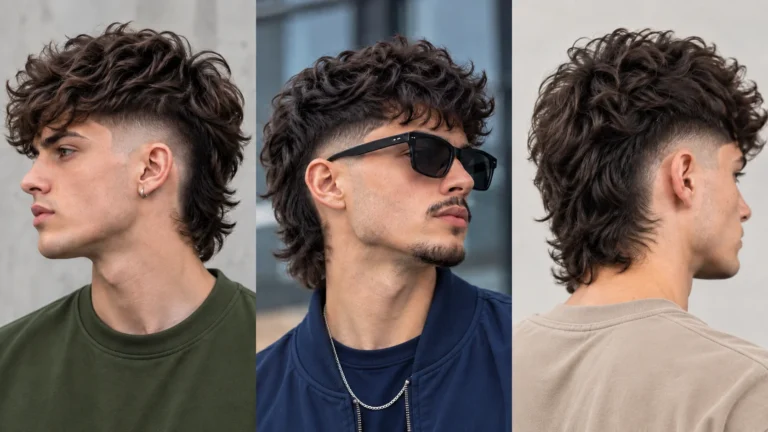
Mixing retro mullet energy with a modern short fade, the Mullet Fade Haircut keeps the sides faded and clean while the back stays slightly longer for a distinct, fashion-forward look. Keeping the top texture a little messy fits the modern mullet vibe best.
Short Fade by Hair Type & Texture
Short Fade Haircut Black

This style highlights natural waves, curls, and textured hair especially well, with faded sides creating a fresh, modern appearance that pairs nicely with sharp lineups and beard fades. Wave cream or curl moisturizer enhances texture and shine.
Short Fade Haircut For Men With Curly Hair

Removing bulk on the sides while letting curls stand out naturally on top, the Curly Fade Haircut is one of the most requested combinations for curly-haired guys right now. Applying curl cream while the hair is still damp gives the most defined, controlled curl result.
Short Fade Haircut Straight Hair

Straight hair shows off the fade’s clean transition particularly clearly, giving a sharp, professional finish that suits school, work, and casual settings equally well. Lightweight hair wax gives smooth control without heaviness.
Short Fade Haircut Asian

Thick, textured hair on top paired with clean faded sides tends to hold volume and shape especially well with this combination. It works particularly nicely with textured crops, spikes, or slightly messy tops. Sea salt spray adds lightweight texture and movement.
Short Fade Haircut Blonde

Lighter hair color makes the contrast with the faded sides even more noticeable, giving the haircut a fresh, eye-catching look that’s especially popular in warmer months. Purple shampoo helps keep blonde tones from turning brassy.
Length & Detail Variations
Short Fade Haircut Long On Top

Keeping the sides clean and faded while leaving more length on top opens up styling options like pompadours, textured quiffs, or slick backs. A blow dryer and round brush help build volume before styling.
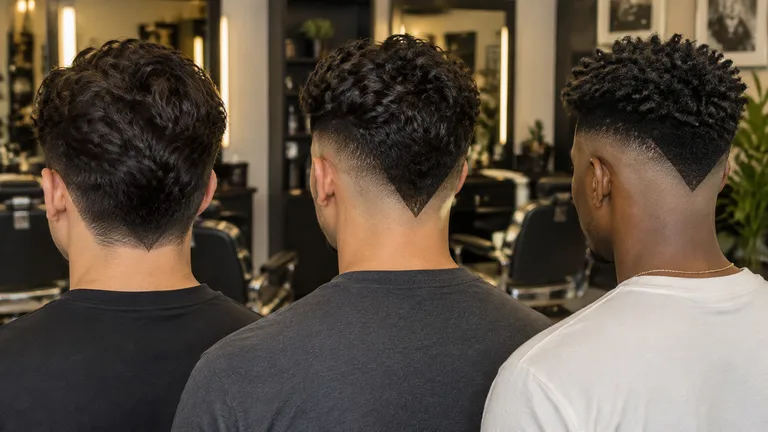
Short Fade Haircut Back

This puts extra focus on how smoothly the fade blends around the neckline and lower head, since a clean back view makes the whole haircut look more polished and professional from every angle. Asking for a sharp neckline cleanup at every visit keeps this detail consistently sharp.
Short Fade Haircut Receding Hairline

This helps reduce focus on a receding hairline by creating a balanced, structured overall look, with a short textured top and faded sides making the hairline appear cleaner and more natural. Keeping the front slightly textured rather than fully slicked back tends to work best here.
New Short Fade Styles Worth Knowing
Short Fade for Kids

Kids can wear short fades too, and it’s a genuinely practical choice since it grows out without looking messy between cuts. Barbers typically use gentler pressure and a softer contrast for children’s more sensitive scalps compared to adult cuts. Letting the barber know your child’s age helps them adjust their technique.
Short Fade for Women

More women are asking for short fades as well, often paired with a bit more length and texture kept on top for styling flexibility. It offers a bold, low-maintenance look without needing a dramatic length change. Discussing scalp sensitivity and desired contrast with your stylist beforehand is worth doing.
Short Fade Haircut by Face Shape
Round Face
Adding height and structure on top helps elongate a round face, so pairing a short fade with a slightly higher starting point and a bit more length up top tends to work best here. Keeping the sides tight also helps avoid adding extra visual width.
Square Face
Square faces already have strong, defined angles, so a softer taper fade with a bit more length on top tends to balance the jawline nicely rather than sharpening it further. Avoiding an overly severe, high-contrast fade usually gives the most flattering result.
Oval Face
Oval faces are naturally well-balanced, which means almost any short fade variation works comfortably here. The main decision really comes down to personal style and maintenance preference rather than correcting anything specific about the face shape itself.
Getting a Short Fade at the Barbershop
How Barbers Build the Fade (Guideline to Blend)
Most barbers start by trimming the top to length, then set an initial guideline around the sides using a guard with the clipper lever open, keeping the line soft rather than harsh. From there, they build the fade in layers, moving to shorter guards and using flicking motions to blend each section into the one below it. Thinning shears or clipper-over-comb techniques help connect the sides smoothly into the top where extra bulk needs removing. The final steps involve softening any remaining lines with a sequence of lever positions before finishing with a trimmer and sharp lineup around the hairline.
What to Tell Your Barber
Be specific about the fade height you want — low, mid, or high — since that single detail changes the whole look. Bring a reference photo if you can, since it removes a lot of the guesswork and helps your barber match your expectations exactly. Mention how much length you want on top and roughly how you plan to style it day to day.
Requesting a Beard Blend or Lineup
If you have a beard, ask specifically whether your barber can blend it into the fade for a more unified, polished look rather than a hard stop at the jaw. You can also request a sharp lineup around your hairline and temples if you want extra definition at the front.
Cutting a Short Fade Yourself — DIY Guide
Tools & Guards You’ll Need
You’ll want a range of clipper guards from #0 or #0.5 up through #3 or #4, plus a separate detail trimmer for precise edging around the ears, hairline, and neckline.
Step-by-Step Instructions
Work in good lighting with at least two mirrors so you can check both sides and the back as you go. Trim the top to your desired length first, then use your longest guard to remove bulk on the sides before setting an initial guideline. Gradually work down through shorter guards, using small, controlled strokes rather than long passes, and check your work frequently from multiple angles. Finish by cleaning up the edges around your ears and neckline with the detail trimmer.
Mistakes to Avoid When Doing It Yourself
Rushing between guard sizes instead of blending gradually is one of the most common mistakes, and it leaves visible lines instead of a smooth transition. Setting your initial guideline too high is another frequent issue, since it removes your ability to correct course later without redoing the whole fade. It’s worth practicing on a lower-stakes trim before attempting a full DIY short fade before something important.
What a Short Fade Costs
Barbershop vs Salon Pricing
Barbershops that regularly do fades typically price them more affordably, since it’s a routine service they can execute efficiently. Salons may charge more for the same cut, often because the visit includes extras like a wash or a longer consultation. Pricing also depends heavily on location, with major cities and specialty barbershops generally costing more than smaller local shops. It’s worth checking directly with a shop, since prices vary quite a bit by region and experience level.
Mistakes That Ruin a Short Fade
Skipping a reference photo is one of the easiest ways to end up with a result that doesn’t match what you had in mind, since “short fade” can mean different things depending on the barber. Waiting too long between touch-ups is another common issue, especially with higher or skin fade versions where regrowth shows quickly. Using heavy styling products on fine hair can flatten the top and undercut the fuller look a fade is meant to create. And going to a barber without much fade-specific experience can result in visible lines instead of a smooth, professional blend.
FAQs
Conclusion: Picking Your Short Fade
With 20 variations to choose from, the right short fade really comes down to your face shape, your hair type, and how often you’re realistically willing to visit the barber.
If you want something easy and dependable, a taper or crew cut short fade is a safe, versatile starting point that suits almost anyone. If you’ve got curls or waves worth showing off, lean into one of the texture-specific versions rather than fighting your natural pattern. And if you want a bit more personality, options like the line design or undercut combination give you room to stand out without straying too far from the style’s low-maintenance roots.
Whatever you choose, bring a clear reference photo, be specific about fade height, and describe how you actually want to style it day to day. The short fade earns its popularity honestly — it’s clean, adaptable, and genuinely easy to live with, which is exactly why it’s not going anywhere in 2026.