30+ Trendy Burst Fade Haircuts for Men (2026): Styles & Tips

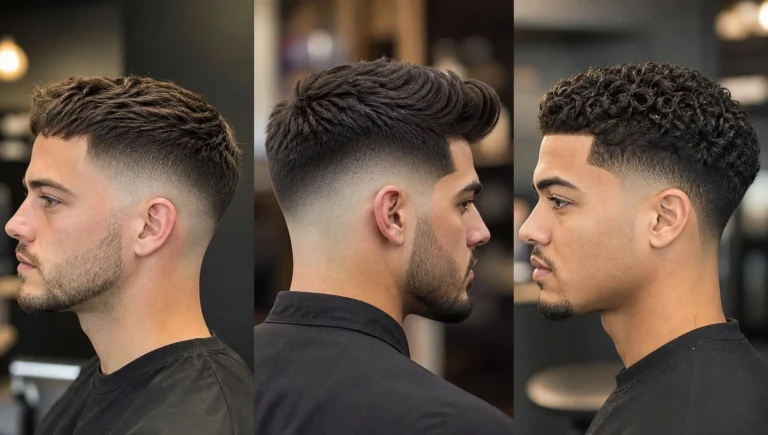
Most fades run in a straight line around the head. The burst fade doesn’t. Instead, it curves around the ear in a rounded shape, almost like a burst of light radiating outward — which is exactly where the name comes from. That single design choice changes the whole feel of the cut, giving it more movement and personality than a standard straight fade.
It’s also one of the most flexible cuts out there. Barbers pair it with curly hair, straight hair, mullets, mohawks, buzz cuts, and pretty much anything else you can think of, which is part of why it’s become such a fixture in barbershops heading into 2026.
This guide covers what a burst Fade Haircut actually is, 30 style variations organized so you can find what suits you, the barber terms worth knowing, a comparison of fade heights, how to do it yourself at home, pricing, maintenance, and direct answers to the most common questions.
What is a Burst Fade Haircut?
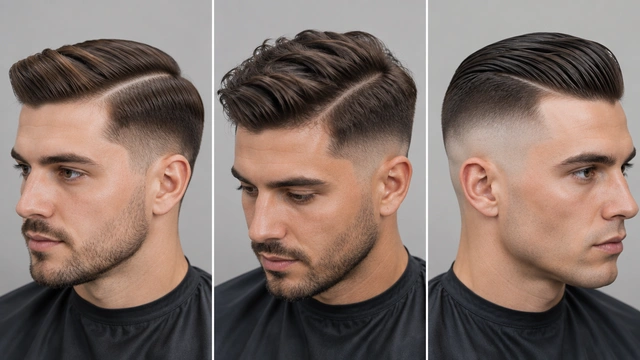
A burst fade haircut is a style where the fade curves in a rounded, semi-circular shape around the ear instead of running in a flat, straight line. Rather than fading straight down toward the neckline, the hair “bursts” outward around the ear before blending into the hair on top and at the back.
The Curved Cut Behind the Ear — What Makes It “Burst”
The curve is really the whole identity of this cut. A regular fade treats the area around the ear the same as everywhere else, cutting a straight, even line. A burst fade specifically shapes that area into a rounded curve, which requires more precision from the barber but gives the cut a distinct, dynamic look that a straight fade simply doesn’t have.
Burst Fade vs Drop Fade vs Regular Fade
These three get confused often, so here’s the short version. A regular fade keeps a flat, level line all the way around the head. A drop fade curves downward behind the ear before rising again toward the back. A burst fade curves in a rounded, semi-circular pattern specifically around the ear itself, without necessarily dropping lower at the back the way a drop fade does. All three can be combined with different fade heights and hair lengths, but the shape of the curve is what separates them.
30 Best Burst Fade Haircut Styles for 2026
Fade Height Levels
Low Burst Fade Haircut

The Low Fade Haircut starts close to the ears, keeping things subtle and clean without much dramatic contrast. It’s easy to manage for daily routines and suits men who prefer a low-key, professional look. Keeping the top slightly textured helps balance the softer fade underneath.
Mid Burst Fade Haircut

Sitting between low and high, this offers a balanced, versatile look that works for most face shapes and hair types. It’s clean and modern without being too bold, making it a solid everyday choice. A slightly messy or textured top keeps the overall look natural rather than stiff.
High Burst Fade Haircut

The High Fade Haircut starts higher on the head, creating a bold contrast between the longer top and the faded sides. This adds height and structure to the whole look. It’s a strong choice for anyone who wants their haircut to stand out. Blow-drying the top upward adds extra volume and lift to complement the sharper fade.
Taper Burst Fade Haircut

A soft, natural blend from long to short that reads as neat and professional rather than sharp or dramatic. It suits nearly every face shape and needs relatively little upkeep. Matte clay gives a clean, natural finish without heavy shine.
Bald Burst Fade Haircut

The fade goes all the way down to the skin around the ears, creating a sharp, bold finish that highlights facial features clearly. It’s a strong, polished look that’s simple to maintain despite the intensity of the contrast. Keeping the top neatly styled balances out the boldness of the fade.
Burst Fade Haircut Semi Bald

A slightly softer take on the bald version, this keeps the fade very short near the skin but without going fully bald, giving a clean and fresh finish that’s still easy to maintain. It highlights the face without quite the same intensity as a fully bald fade.
Burst Fade Haircut Semi Kalbo

Similar in spirit to the semi-bald version, this variation leans into an even smoother, more gradual transition near the skin, giving a soft yet sharp overall effect. It’s a practical, low-effort style that still looks deliberate and well-groomed.
Burst Fade Paired with Longer Top Styles
Mullet Burst Fade Haircut

Combining faded sides with noticeably longer hair at the back, the Mullet Fade Haircut creates strong contrast and a bold, trendy silhouette. It’s become a genuine fashion statement rather than a niche choice. Keeping the back slightly messy gives it a natural, relaxed flow.
Mullet Burst Fade Haircut Straight Hair

Straight hair gives this combination a sleek, structured look, with the burst fade curving cleanly around the ear while the back stays long and flowing. It’s popular in modern street style and gives off a confident, put-together vibe. Blow-drying the back slightly outward helps it hold its natural shape.
Burst Fade Haircut Long Hair

This keeps significant length on top or at the back while the sides stay sharply faded, creating real contrast between length and closeness. It’s a good option for anyone who doesn’t want to sacrifice length but still wants clean, defined sides. Hair cream helps control the length and keep it smooth throughout the day.
Burst Fade Haircut Long Back

Specifically emphasizing length at the back rather than all over, this creates a bold, noticeable contrast against the tightly faded sides. It adds movement and a bit of edge to an otherwise clean cut. Letting the back flow naturally rather than over-styling it keeps the look relaxed.
Bold & Statement Combos
Mohawk Burst Fade Haircut

A bold strip of hair down the center paired with cleanly faded sides gives this a sharp, edgy, confident appearance. It’s a genuine statement style rather than something to wear quietly. Strong-hold gel is essential to keep the center section standing through the day.
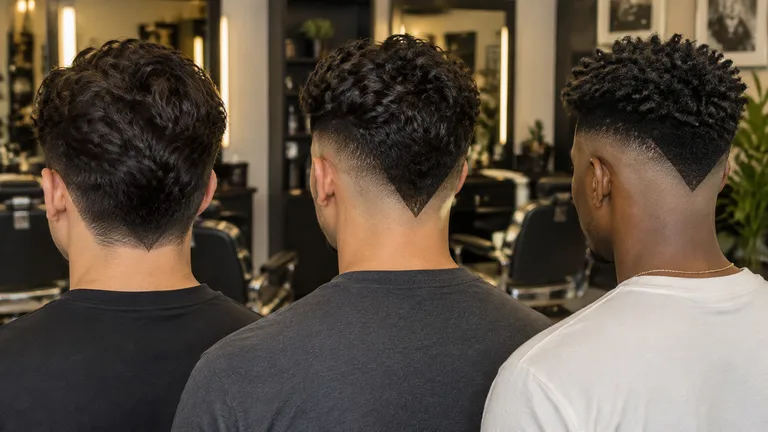
Burst Fade Haircut V Cut

A sharp V-shaped design at the back adds a distinctive, graphic detail to the burst fade, making the whole cut stand out even more. It’s a creative, trend-forward option for anyone who wants something beyond a standard fade. Keeping the back clean and well-shaped is essential to make the V detail read clearly.
Burst Fade Haircut Line

A shaved line design adds extra detail and personality to the fade, creating a bold, eye-catching effect that stands out in a crowd. It’s a popular choice among men who want their haircut to feel current and expressive. Regular trimmer touch-ups keep the line looking sharp as hair grows.
Drop Burst Fade Haircut

The Drop Fade Haircut combines the burst fade’s rounded curve with a downward drop behind the ear, adding even more depth and dimension to the shape. It works well with a range of hair types and lengths, giving a fresh, layered look. Adding light texture on top brings extra movement to match the detailed sides.
Burst Fade by Hair Texture
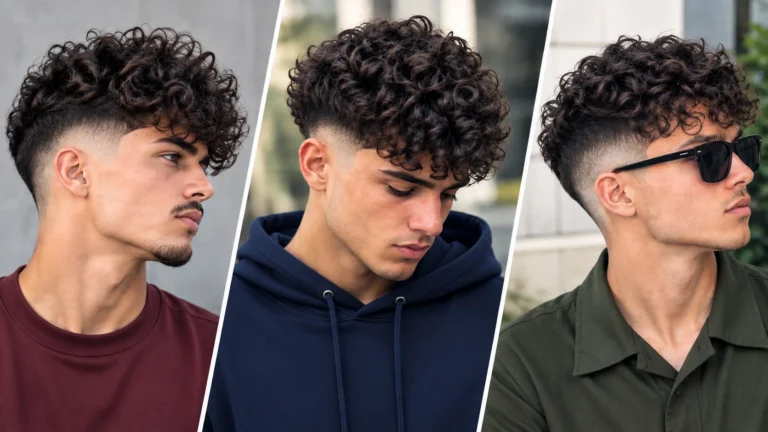
Curly Burst Fade Haircut

This is designed specifically to enhance natural curls on top while keeping the sides sharply faded and clean. It strikes a genuine balance between volume, texture, and neatness rather than letting curls look unruly. Curl cream helps define curls and reduce frizz for a smooth, controlled finish.
Low Burst Fade Haircut for Curly Hair

The Low Fade Haircut is a softer version that keeps the fade low near the ears, letting curls stay more visible and natural rather than heavily contrasted. It’s a relaxed, easy-to-maintain option for everyday wear. Curl enhancer cream keeps curls soft and well-defined without weighing them down.
Burst Fade Haircut Wavy Hair

This enhances natural waves on top while the sides stay clean and sharply faded for balance, giving a look that feels effortless rather than overworked. It’s ideal for anyone who wants a softer, natural hairstyle with a bit of structure. Sea salt spray brings out the waves and adds texture.
Burst Fade Haircut Straight Hair

Straight hair shows off the clean, sharp blend of a burst fade especially well, giving a polished and structured overall look. It works comfortably in both casual and professional settings. Light pomade or styling cream adds control and a natural shine.
Burst Fade Haircut Asian

Thicker, often straighter hair textures hold this fade’s structure particularly well, giving a clean, modern silhouette with the sides sharply contrasted against a natural top. Light cream gives smooth control without unwanted shine or stiffness.
Burst Fade Haircut Black

Built around textured and coily hair, this version enhances natural texture while keeping the sides sharply faded and defined. The curved burst shape adds structure that makes the whole cut look fresh and intentional. Moisturizing hair cream keeps hair soft and healthy alongside the sharp fade.
Burst Fade by Color & Detail
Burst Fade Haircut Blonde

Lighter hair color makes the fade even more noticeable, creating a bright, eye-catching contrast between the top and the faded sides. It’s a bold option for anyone who wants their haircut to genuinely stand out. Light wax adds texture while keeping the color looking controlled rather than flat.
Burst Fade Haircut Textured Fringe

A textured fringe at the front adds volume and movement, while the burst fade keeps the sides sharp and clean underneath. It gives a youthful, modern appearance with real dimension. Matte paste helps hold the texture without adding shine.
Burst Fade Haircut with Bangs

Front bangs add a softer, more stylish touch that contrasts nicely against the sharply faded sides. It’s a look that mixes softness up front with structure at the sides, giving a balanced, trendy everyday style. Light spray keeps the bangs controlled without stiffening them.
Low-Maintenance & Everyday Burst Fades
Short Burst Fade Haircut

Keeping the top short and neat, this version pairs a clean burst shape at the sides with minimal daily styling required. It’s a practical choice for active lifestyles or anyone who wants a sharp look without much effort. Light wax adds soft texture and control.
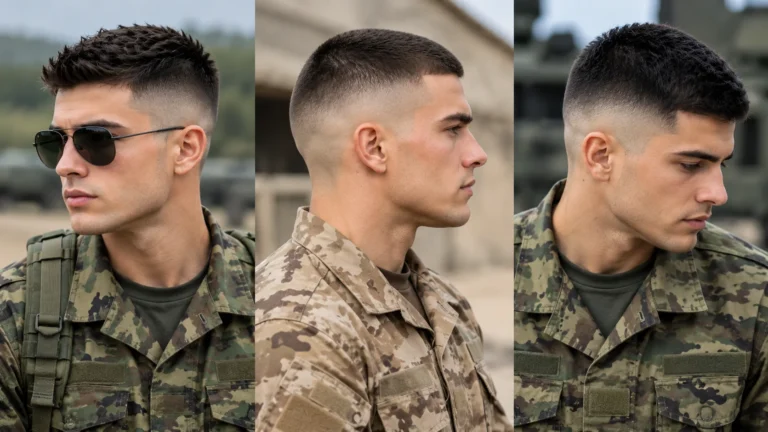
Buzz Cut Burst Fade Haircut

An extremely short top paired with a sharply faded, curved burst at the sides gives a clean, low-maintenance, masculine finish. It’s about as easy as this style gets day to day. Keeping the edges maintained regularly is really all this style needs.
Messy Burst Fade Haircut

A textured, deliberately messy top paired with clean faded sides creates strong contrast and a relaxed, casual feel. It’s an easy way to look put-together without looking overly styled. Clay worked in with fingers gives that natural, effortless finish.
Burst Fade Haircut Back Side

This style puts extra focus on a clean, smooth blend specifically at the back of the head, giving a polished, well-shaped finish from every angle. It’s especially useful for anyone who wants their haircut to look intentional even from behind. Keeping the neckline sharp is key to pulling this off well.
Signature & Celebrity-Inspired
Usher Burst Fade Haircut

A smooth, curved fade around the ears paired with more volume left on top gives this a clean, slightly bold look that suits both casual and formal settings. It has a natural flow that feels fresh without being over the top. Light pomade keeps the top smooth and well-controlled.
Burst Fade by Face Shape
Burst Fade Haircut Round Face

Designed to add structure to rounder face shapes, this version keeps extra height on top while the sharp fade at the sides adds definition. The added height helps elongate the face and creates better overall balance. Building height on top is the key styling move for this variation.
New Burst Fade Styles Worth Knowing
Burst Fade for Square & Oval Face Shapes

Square faces tend to look most balanced with a softer top that offsets the jawline’s natural angles, while a burst fade at the sides adds just enough contrast without sharpening the face further. Oval faces are naturally well-proportioned, so nearly any burst fade variation works — the main consideration is choosing a top length that matches your personal style rather than correcting anything specific.
Burst Fade for Kids

Kids can wear burst fades too, and it tends to be a practical option since the curved shape grows out fairly gracefully between cuts. Barbers typically use a gentler touch and softer contrast for children’s hair and scalp compared to how they’d approach an adult cut. Letting your barber know your child’s age helps them adjust their technique appropriately.
Burst Fade for Women

More women are requesting burst fades too, often paired with longer hair on top that can be styled in a variety of ways — braided, twisted, or worn loose. It offers a bold, structured look at the sides without requiring a dramatic shave. It’s worth discussing scalp sensitivity and hair density with your stylist beforehand.
Burst Fade Haircut Glossary — Barber Terms You Should Know
C-Cup, Guard Numbers & Lineup Explained
A C-cup refers to the curved shaping done around the ear that gives space and definition to the burst fade’s signature curve. Guard numbers refer to the attachments used on clippers to control length — lower numbers cut shorter, higher numbers leave more length, and barbers move between several guard sizes to build a smooth fade. A lineup is the sharp, defined edge cut around the hairline and temples, usually done with a trimmer or straight razor for precision.
What “Blending” and “Open-to-Closed” Mean
Blending describes the process of smoothing out the transition between two different lengths so there’s no visible, harsh line — it’s the technique that separates a clean fade from a choppy one. The open-to-closed method refers to a specific clipper technique where the barber starts with the clipper lever open (cutting slightly longer) and gradually closes it as they work toward the shortest point, creating a gradual gradient rather than an abrupt jump in length.
Low, Mid & High Burst Fade — Comparison Table
| Feature | Low Burst Fade | Mid Burst Fade | High Burst Fade |
| Starting point | Above ears | Temple area | Near crown |
| Contrast level | Subtle | Moderate | Bold |
| Touch-up frequency | Every 3–4 weeks | Every 2–3 weeks | Every 1–2 weeks |
| Best for | Formal/everyday wear | Balanced versatility | Statement styles |
| Grows out gracefully | Yes | Fairly well | Less so |
How to Choose the Right Burst Fade for You
Matching Fade to Face Shape
A low burst fade tends to suit round faces well, since it avoids adding extra width at the sides. A higher burst fade can help define square or oval face shapes by adding structure and height, creating a more balanced overall appearance. If you’re unsure, a mid burst fade is a safe middle ground that works reasonably well across most face shapes.
Matching Fade to Hair Texture
Straight and wavy hair tend to show off the burst fade’s clean curve especially clearly, since there’s less texture to obscure the line. Curly and coily hair pair beautifully with the burst shape too, since the rounded curve complements natural volume rather than fighting against it. Whatever your texture, choosing a fade that works with your natural hair pattern makes daily styling considerably easier.
Choosing Based on Your Lifestyle & Upkeep Tolerance
If you want something low-maintenance, a simple taper or low burst fade with a shorter top needs minimal daily styling and can stretch longer between barber visits. If you don’t mind spending more time on your hair or visiting the barber more frequently, bolder options like the mohawk or high burst fade give you more visual impact in exchange for more upkeep.
How Barbers Create a Burst Fade (Technique Breakdown)
Prep Work & Sectioning
The barber usually starts by wetting the hair for better control, then does initial shear work to remove excess bulk before bringing out the clippers. This early step improves visibility and makes it easier to place the fade precisely once the clipper work begins.
Setting the C-Shaped Guideline
Using a clipper guard, typically starting around a #3, the barber sets a C-shaped guideline that curves around the ear. This curved guideline is what defines the “burst” — it’s the foundation the rest of the fade builds from.
Blending the Curve Around the Ear
Working with progressively shorter guards, the barber blends the fade downward and outward from the C-shaped guideline, using light, controlled strokes to smooth out the transition. This is the most technically demanding part of a burst fade, since the curved shape requires more precision than a straight fade line.
Detailing, Lineup & Final Touches
Once the main blend is complete, thinning shears help refine the transition and remove any remaining dark spots or visible lines. The barber finishes with a sharp lineup around the hairline and neckline, cleaning up the edges for a crisp, professional result.
Burst Fade at Home — A DIY Guide
Clipper Guards & Tools You’ll Need
You’ll want a range of clipper guards from #0 up through #3 or #4, along with a separate detail trimmer for precise edging around the ears and hairline — this is especially important for a burst fade, since the curved shape needs more control than a straight line.
DIY Step-by-Step
Set up in good lighting with at least two mirrors so you can actually see the curve around your ear as you work. Start with a mid-range guard to set your initial C-shaped guideline around the ear, then work outward and downward with progressively shorter guards, using small circular or scooping motions rather than straight passes. Check both sides frequently to make sure the curves match, and finish by cleaning up the edges around your ears and hairline with the detail trimmer.
Common DIY Mistakes to Avoid
Trying to force a straight line instead of following the natural curve around the ear is one of the most common mistakes, since it defeats the whole purpose of a burst fade. Rushing between guard sizes instead of blending gradually is another frequent issue that leaves visible lines. It’s worth practicing the curved technique on a low-stakes trim before attempting a full burst fade before something important.
Styling a Burst Fade Day to Day
Tools & Products You’ll Need
At minimum, you’ll want a wide-tooth comb, a blow dryer if you want lift or volume, a styling product suited to your hair type, and a light hairspray if you need extra hold through a long day.
Step-by-Step Styling Routine
Start with clean, slightly damp hair rather than soaking wet. Apply your chosen product evenly, working it through with your fingers rather than concentrating it in one spot. If you want volume, blow-dry the top while lifting at the roots with a round brush. Shape the top with your fingers or a comb, then finish with a light spray if you need extra hold.
Best Products by Hair Type
Straight hair does well with light wax or matte clay that adds texture without flattening it. Curly hair benefits from curl creams or light mousses that define without stiffening. Thicker hair can handle stronger pomades or gels. Fine hair should stick to lightweight, volumizing products since heavier options weigh it down.
Talking to Your Barber About a Burst Fade
Explaining Fade Height & Curve Intensity
Be specific about whether you want a low, mid, or high burst fade, and mention how pronounced you want the curve around the ear to be. Some barbers default to a subtler curve unless told otherwise, so it’s worth being clear if you want something more dramatic.
Describing Top Length & Style
Let your barber know how much length you want on top and how you plan to style it — messy, slicked back, textured, or long. This helps them balance the top with the curved sides for a cohesive overall look.
Asking for a Beard Blend
If you have a beard, mention whether you’d like it blended into the fade for a seamless transition rather than a hard stop at the jawline. This small detail can make a noticeable difference in how polished the overall look feels.
Burst Fade Haircut Cost & Maintenance
Barbershop vs Salon Pricing
Barbershops that specialize in fades typically price a burst fade more affordably, especially shops with barbers experienced in the curved technique specifically. Salons may charge more for the same style, often because the service includes extras like a wash or longer consultation. Pricing also varies significantly by location, with major cities generally costing more than smaller towns.
How Often to Get a Touch-Up
Most burst fades need a touch-up every 2 to 3 weeks to keep the curved shape looking sharp. Bolder, higher versions tend to need more frequent attention than a subtler low burst fade.
How Long Does a Burst Fade Last?
On average, a burst fade holds its clean curve for about 2 to 3 weeks before the shape starts to soften. Low burst fades tend to hold their look a bit longer than high or bald variations, since there’s less contrast to lose as hair grows back.
Growing Out a Burst Fade — What to Expect
Because the curve follows the natural shape around your ear rather than a straight line, a burst fade tends to grow out reasonably gracefully — the curve softens gradually instead of turning into a hard, uneven edge. That said, bolder versions will still show noticeable regrowth faster than a subtler low burst fade.
Mistakes That Ruin a Burst Fade
Going to a barber without specific burst fade experience is one of the biggest risks, since the curved technique takes more skill than a standard straight fade. Skipping a reference photo is another common issue, since “burst fade” can be interpreted differently depending on how pronounced the curve should be. Waiting too long between touch-ups lets the curve blur into a less defined shape, undermining the whole point of the style. And using heavy products on fine hair can flatten the top, throwing off the balance against the sharply defined sides.
FAQs
Final Verdict: Picking Your Burst Fade
With 30 variations to choose from, the right burst fade really comes down to how bold you want the contrast, what your hair naturally does, and how much time you’re willing to spend on regular touch-ups.
If you want something clean and easy to wear anywhere, a low or taper burst fade is a safe, versatile starting point. If you’ve got curls or waves worth showing off, lean into one of the texture-specific versions rather than fighting your natural pattern. And if you want your haircut to genuinely stand out, options like the mohawk, the V cut, or a high burst fade deliver that bold, unmistakable look — just be ready for more frequent barber visits to keep the curve looking sharp.
Whatever you choose, bring a clear reference photo, be specific about fade height and how pronounced you want the curve, and describe exactly what you want happening on top. The burst fade is flexible enough to work with almost any hair type or personal style — it’s really just a matter of finding the version that fits you best.