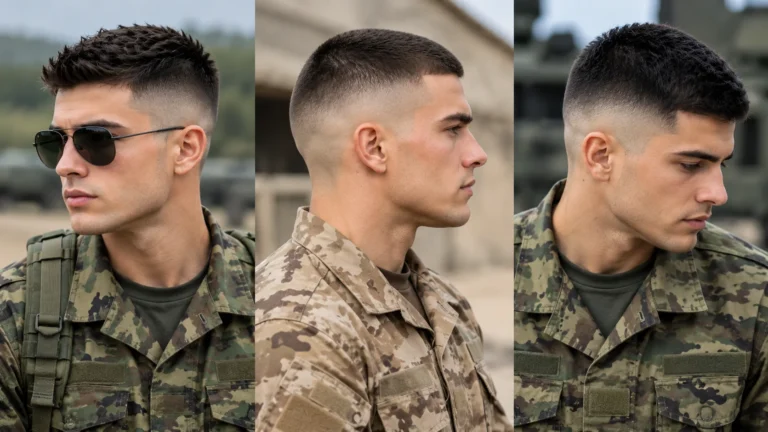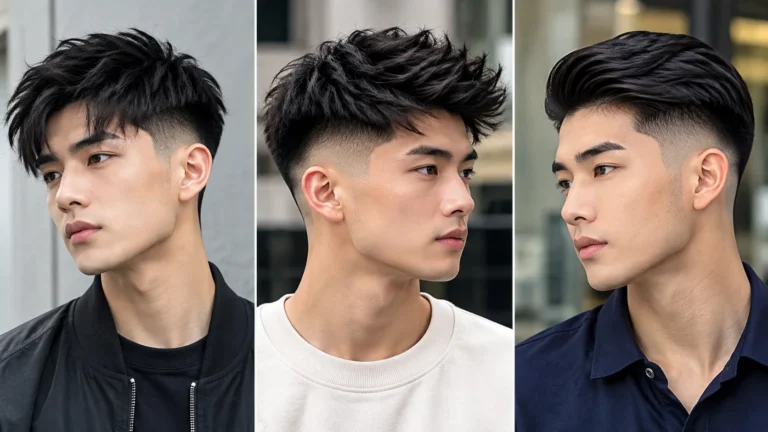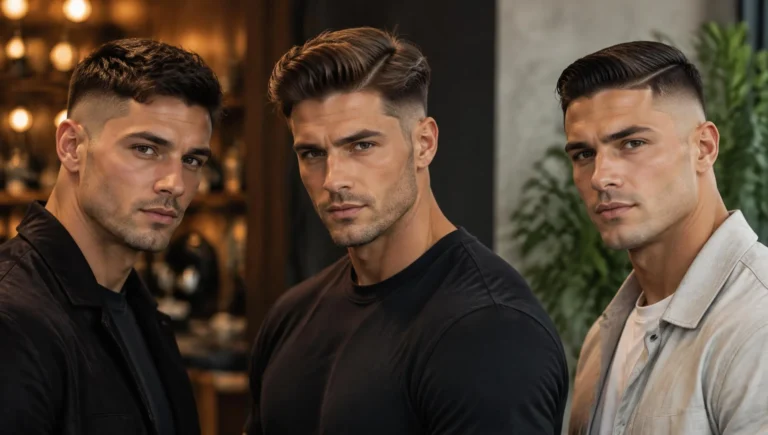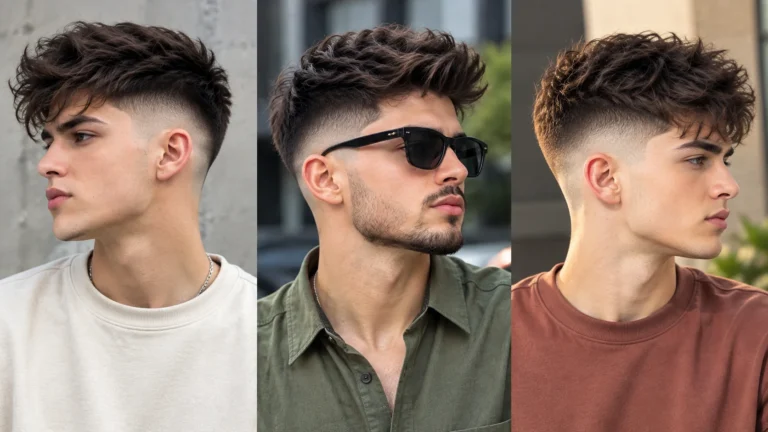
15 Best Buzz Cut Fade Haircuts for Men to Try in 2026

If you want a haircut that takes almost no effort to style but still looks sharp every single day, buzz cut fade haircuts are probably the answer. They’ve become one of the most requested cuts at barbershops because they solve a simple problem: you get the low-maintenance ease of a buzz cut on top, combined with the clean, structured finish of a fade on the sides.
This guide walks through 15 versions of buzz cut fade haircuts, explains how guard numbers actually work, and helps you figure out which fade height and style fits your face and hair type before you sit in the chair.
What Exactly Are Buzz Cut Fade Haircuts? (Quick Definition)
A buzz cut fade haircut combines two things: a very short, uniform length on top (the buzz cut part, usually done with clippers and no scissor work) and a fade on the sides and back that gradually shortens toward the bottom. Depending on the version, that fade can end in stubble, a short guard length, or bare skin.
What makes this style different from a standalone buzz cut is the sides. A plain buzz cut is often the same length all over. Buzz cut fade haircuts add shape and contrast by blending the sides down, which gives the whole cut a more finished, barbershop look instead of a flat, all-one-length appearance.
Who Should Get Buzz Cut Fade Haircuts? (Age, Lifestyle & Hair Type Fit)
This style isn’t limited to one type of guy. It works for teenagers who want something low-effort for school, professionals who need a cut that looks neat in an office without any daily styling, and older men who want a modern update without going too dramatic.
It’s also a strong choice for anyone with an active lifestyle — athletes, gym regulars, or people in hot climates — since there’s no hair long enough to get sweaty or unmanageable. Hair type isn’t much of a limiting factor either. Straight, wavy, curly, and coily hair all take a buzz cut fade well, though the guard number you choose on top might change slightly depending on texture.
Buzz Cut Fade Haircuts vs Regular Fade — What’s the Difference?
A regular fade haircut usually keeps more length on top — enough to comb, style with product, or leave textured. The fade on the sides is the main feature, but the top still requires some daily attention.
A buzz cut fade haircut removes that variable. The top is cut short and even with clippers, so there’s no styling decision to make each morning. The fade is still there doing the same job — creating a clean transition on the sides — but the overall cut reads as lower-maintenance and more uniform. If you like the structure of a fade but don’t want to spend time styling hair on top, this is the version to ask for.
Buzz Cut Guard Numbers Explained — Picking the Right Length
Guard numbers confuse a lot of first-timers, so here’s a simple breakdown before you book an appointment.
Guard 0 vs Guard 1
A guard 0 (or no guard at all) cuts hair down to skin or extremely close to it — this is what creates a true skin fade at the bottom. A guard 1 leaves a very short but visible layer of hair, roughly 3mm, giving a slight shadow instead of bare skin. If you want a softer look rather than a stark bald finish, guard 1 is usually the better starting point.
Guard 2 vs Guard 3
A guard 2 leaves about 6mm of hair — short, but with enough length to show a bit of texture or waviness. A guard 3 leaves around 10mm, which is often the sweet spot for the “top” section of a buzz cut fade, since it’s short enough to stay low-maintenance but long enough to have some visual presence.
Which Number Suits Thick vs Thin Hair
Thicker hair usually looks better with a slightly higher guard number on top, like a 3 or 4, since it prevents the head from looking too flat or bare. Thinner hair often looks fuller with a shorter guard, like a 2, since shorter length reduces visible gaps between strands. Your barber can advise based on density, but knowing these numbers beforehand helps you explain what you want for your Fade Haircut instead of just saying “short.”
15 Buzz Cut Fade Haircuts Trending in 2026
Low Buzz Cut Fade Haircut

The fade starts just above the ears and blends into the neckline, keeping most of the head length consistent. This is the most conservative version on the list and works well in formal or corporate settings.
Best for: professional environments, first-time fade wearers
Maintenance: every 3–4 weeks
Ask your barber for: “a low fade, just around my ears and neckline, buzz cut on top”
Mid Buzz Cut Fade Haircut

The fade begins around the temple area, giving a balanced amount of contrast without being too bold. It’s often recommended as the safest starting point if you’ve never had a fade before.
Best for: most face shapes, everyday versatility
Maintenance: every 3 weeks
Ask your barber for: “a mid fade starting at my temples”
High Buzz Cut Fade Haircut

The High Fade Haircut has a fade line that sits high on the head, creating a sharp, athletic look with strong contrast between the buzzed top and faded sides. This version tends to grow out visually faster since more of the fade is exposed.
Best for: bold, high-contrast looks, active lifestyles
Maintenance: every 2–3 weeks
Ask your barber for: “a high fade starting above my temples”
Skin Buzz Cut Fade Haircut

This version takes the fade all the way down to bare skin rather than stopping at a short guard length. It’s the sharpest, most dramatic option and one of the most requested styles at barbershops right now.
Best for: men who want maximum contrast and a fully clean finish
Maintenance: every 2 weeks (skin fades show regrowth fastest)
Ask your barber for: “a full skin fade, down to bare skin, not just short”
Taper Buzz Cut Fade Haircut

Instead of a hard fade line, the taper follows the natural hairline and shortens gradually without necessarily reaching skin. It’s a softer, more traditional look compared to a skin fade.
Best for: men who want a subtle, natural-looking transition
Maintenance: every 3–4 weeks
Ask your barber for: “a taper fade, soft blending, doesn’t need to hit skin”
Low Taper Buzz Cut Fade Haircut

The Low Taper Fade Haircut combines the subtlety of a low fade with the natural curve of a taper, keeping the blend close to the neckline only. It’s about as understated as a fade can get while still looking intentional.
Best for: conservative workplaces, minimal visual change
Maintenance: every 4 weeks
Ask your barber for: “a low taper, blend only near my neckline”
High Taper Buzz Cut Fade Haircut

This takes the boldness of a high fade but softens the transition with a curved taper instead of a straight line. You still get noticeable height and contrast, just with a slightly more natural finish.
Best for: men who want a strong look without an overly geometric line
Maintenance: every 2–3 weeks
Ask your barber for: “a high taper, curved rather than a straight fade line”
Short Buzz Cut Fade Haircut

Everything on this cut stays short — top and sides — with just enough of a fade to create separation rather than a dramatic contrast. It’s the lowest-maintenance version on this entire list.
Best for: busy schedules, minimal upkeep
Maintenance: every 3–4 weeks
Ask your barber for: “keep it all short, just a subtle fade on the sides”
Buzz Cut Fade Haircut with Beard

Pairing this cut with a beard creates one cohesive, groomed look instead of two separate styling routines. The most important detail is making sure the fade blends smoothly into the beard line at the sideburns, without a visible gap or harsh line.
Best for: anyone who already grows facial hair
Maintenance: fade every 3 weeks, beard trim weekly
Ask your barber for: “blend the fade straight into my beard, no gap at the sideburns”
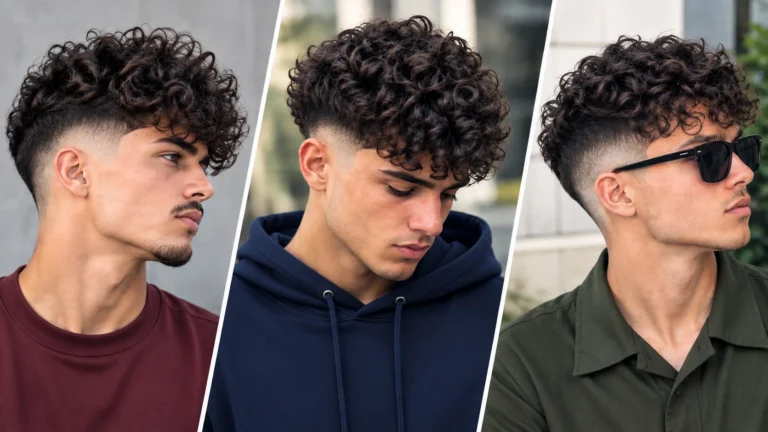
Buzz Cut Fade Haircut for Curly Hair

Curly hair behaves differently under clippers than straight hair, since curls can spring up and look shorter or longer than expected once they dry. A slightly longer guard on top (3 or 4) usually works better here, letting the curl pattern show rather than getting buzzed away completely.
Best for: curly and coily textures
Maintenance: every 2–3 weeks, plus regular moisturizing on the faded sides
Ask your barber for: “cut dry if possible, so you can see how my curls actually sit”
Buzz Cut Fade Haircut for Thin Hair

Thin hair can look sparse with too short a guard, so keeping a touch more length on top (guard 2 or 3) helps it appear fuller. The fade on the sides removes bulk and redirects attention upward, which works in your favor here.
Best for: fine or thinning hair
Maintenance: every 3 weeks
Ask your barber for: “leave slightly more length on top, fade the sides for contrast”
Buzz Cut Fade Haircut for Thick Hair

Thick hair can look heavy even at short lengths, so a shorter guard (1 or 2) combined with a sharp fade helps keep things looking neat rather than bulky. This version tends to hold its shape well between trims.
Best for: dense, thick hair types
Maintenance: every 3 weeks
Ask your barber for: “keep the top short and even, fade the sides down to reduce bulk”
Buzz Cut Fade Haircut with Hard Part

A hard part is a thin shaved line separating the top section from the fade, adding a crisp, deliberate detail to an otherwise simple cut. It’s a small addition that makes the haircut look more finished without much extra effort.
Best for: guys who want a bit more personality without going bold
Maintenance: the part line needs touch-ups every 1–2 weeks
Ask your barber for: “add a hard part line above the fade on one side”
Burst Buzz Cut Fade Haircut

Unlike a standard fade that wraps evenly around the head, a burst fade curves specifically around the ear, creating a rounded, contained blend rather than a straight line. It’s a more technical cut that works especially well with shorter buzzed tops.
Best for: a distinctive look without a full high or low fade
Maintenance: every 2–3 weeks
Ask your barber for: “a burst fade that curves around my ear only”
Buzz Cut Fade Haircut with Design Lineup

For something extra, barbers can shave in simple line designs, part patterns, or small geometric details into the fade area. This is the boldest option here and works best for special occasions rather than everyday wear.
Best for: standing out, events, personal style statements
Maintenance: every 1–2 weeks, since designs blur quickly as hair grows
Ask your barber for: “add a simple design into the fade” (bring a reference photo — freehand results vary a lot)
Skin Fade vs Taper Fade Buzz Cut Haircuts — Which One Should You Pick?
This is one of the most common points of confusion, so here’s the direct comparison:
A skin fade buzz cut takes the sides all the way down to bare skin at some point on the head. It creates the sharpest, most visually dramatic contrast, but it also grows out faster and needs more frequent trims to stay looking clean.
A taper fade buzz cut shortens gradually without necessarily reaching skin. It’s softer, more forgiving as it grows out, and generally reads as more traditional or professional.
If you want maximum contrast and don’t mind visiting the barber every two weeks, go with a skin fade. If you’d rather stretch out your appointments and prefer a more natural transition, a taper fade is the more practical choice.
Best Buzz Cut Fade Haircuts for Your Face Shape
Round Face
Higher fades add visual length and help balance out width. Avoid pairing a low fade with an extremely short top, since that combination can emphasize roundness.
Square Face
Square faces have strong natural structure, so they can handle almost any fade height. Mid or low fades tend to soften sharp jawlines nicely without competing with them.
Oval Face
This is the most flexible face shape for buzz cut fade haircuts — nearly every version on this list works well. A mid fade is the easiest default if you’re not sure where to start.
Long Face
Low or mid fades are generally more flattering than high fades, since a high fade can make a long face look even longer. Keeping the top slightly longer, rather than very short, also helps balance proportions.
Step-by-Step Barber Technique for Buzz Cut Fade Haircuts
Knowing the general process helps you communicate better, even if a professional is doing the cutting.
- Buzz the top first. The barber sets the base length using a clipper guard, working against the grain for an even finish.
- Set the first guideline. A trimmer or clipper creates the starting point for the fade, usually from the temple curving toward the back of the head.
- Build the fade in stages. Using progressively shorter guards or open/closed lever settings, the barber blends downward in layers rather than jumping straight to the shortest length.
- Blend the transitions. This step smooths out any visible lines between guard lengths using light, flicking clipper motions.
- Finish the bottom. For a skin fade, a foil shaver is used to reach bare skin; for a taper, the shortest guard length is simply blended in without shaving.
- Line up the edges. The hairline, sideburns, and neckline are sharpened last for a clean, finished look.
Daily Maintenance Routine (Wash, Style, Moisturize)
- Wash regularly. Short hair collects sweat and oil quickly, so washing every day or every other day keeps the scalp and hair looking fresh.
- Use a light matte product only if needed. Because the top is already short, heavy styling products usually aren’t necessary — a small amount of matte cream is enough if you want texture.
- Moisturize the scalp. Faded or shaved sides are more exposed to air and sun, so a light moisturizer a few times a week prevents dryness and flaking.
- Line up the edges yourself between visits. A small trimmer can keep the hairline and neckline sharp without needing a full barber appointment every time.
Mistakes to Avoid With Buzz Cut Fade Haircuts
- Choosing a guard number without asking about your hair density. The same number can look completely different on thick versus thin hair.
- Skipping scalp care. Ignoring moisturizer on faded or shaved skin is one of the most common causes of dry, flaky-looking sides.
- Letting it grow out too long before a trim. Because the top is so short, regrowth is more noticeable here than on longer haircuts — waiting too long makes the whole style look unkempt rather than intentional.
- Not specifying fade height clearly. “Fade” alone isn’t specific enough — always mention low, mid, or high, or you risk getting a different look than expected.
- Ignoring beard blending. If you have facial hair, a fade that doesn’t connect cleanly into the beard line is one of the most obvious signs of a rushed cut.
How Much Do Buzz Cut Fade Haircuts Cost? (Barber vs DIY)
At a barbershop, this cut typically costs around the same as a standard fade, since the blending work is similar even though the top is shorter — pricing varies by city and barber experience, so it’s worth checking with your local shop directly. At home, buzz cut fade haircuts are more achievable than other fades because the top length is simple to manage with a single guard. The fade blending on the sides is still the trickiest part, so if you’re new to cutting your own hair, expect a learning curve before the results look barbershop-clean.
Best Hair & Beard Products for Buzz Cut Fade Haircuts
You don’t need a large product collection for this style, but a few basics make a real difference:
- A light matte cream or clay for subtle texture on top, without shine or heaviness.
- A gentle, sulfate-free shampoo to avoid drying out a scalp that’s more exposed due to short hair.
- A lightweight scalp moisturizer or oil, especially important if you’re wearing a skin fade.
- A small precision trimmer for touch-ups on the hairline and neckline between barber visits.
- Beard oil or balm, if you’re pairing the cut with facial hair, to keep the beard line as sharp as the fade itself.
What to Tell Your Barber for the Perfect Buzz Cut Fade Haircut
- Specify the fade height — low, mid, or high — since this is the single biggest factor in the final look.
- Give a guard number for the top, like “a 2 on top,” so there’s no ambiguity about length.
- Say whether you want skin or taper, since these two options look noticeably different once finished.
- Bring a reference photo, ideally of someone with a similar hair type to yours.
- Mention if you have a beard so the barber can plan the blend into your beard line from the start.
FAQs
Conclusion — Finding Your Perfect Buzz Cut Fade Haircut
Buzz cut fade haircuts work because they combine two things most men actually want: a cut that looks sharp and a cut that doesn’t demand daily effort. Whether you lean toward the dramatic contrast of a skin fade or the subtler blend of a taper, the real decision comes down to your hair type, your face shape, and how often you’re willing to sit in the barber’s chair.
If you’re trying this style for the first time, a mid fade with a guard 2 or 3 on top is a safe, versatile starting point that suits most face shapes. Once you’re comfortable with the upkeep, styles like a burst fade, a hard part, or a design lineup are easy ways to make the cut more personal without straying too far from a look that’s already proven to work.