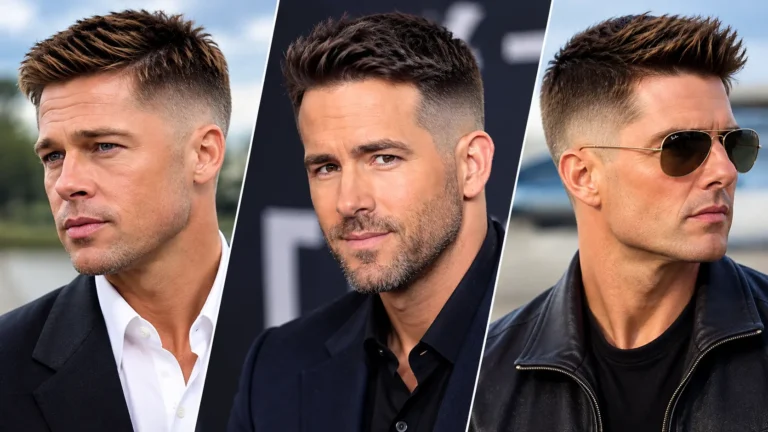
23 Modern Low Taper Fade Haircut Styles & Ideas for Men 2026

If you’ve spent any time scrolling through haircut inspiration lately, you’ve probably noticed the low taper fade popping up everywhere. It’s become one of the most requested cuts at barbershops, and for good reason — it’s clean without being severe, subtle without being boring, and it works with almost any hair type, face shape, or personal style.
This guide walks through everything you need to know: what a low taper fade actually is, 23 of the best variations to try in 2026, how barbers build the cut step by step, what it costs, how to maintain it, and how to talk to your barber so you leave the chair with exactly what you pictured.
What is a Low Taper Fade Haircut?
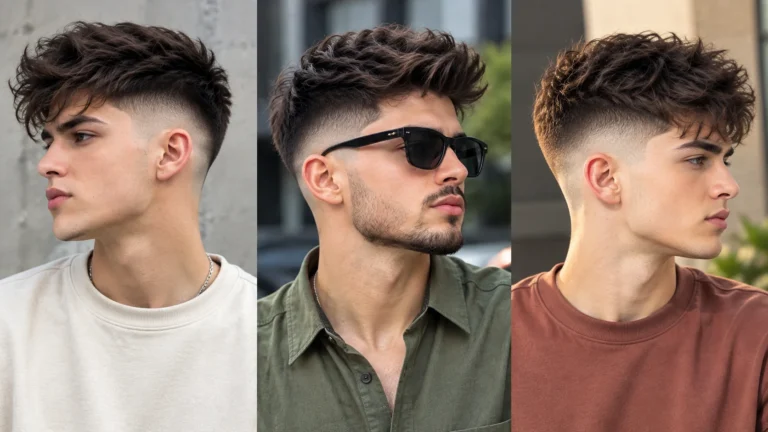
A low taper fade is a haircut where the hair gradually shortens as it moves down toward the hairline, ears, and neck, with the fade starting low — typically just above the ears and around the nape of the neck. Unlike a mid or high fade, which blends much higher up the sides of the head, a low taper keeps most of the length intact and only tapers off near the bottom.
The result is a subtler transition. There’s less contrast between the top and the sides, which makes the cut feel more natural and versatile. It reads as polished in a boardroom and relaxed on a weekend, which is a big part of why it’s stayed popular year after year.
Technically, “taper” refers to the gradual shortening of hair length, while “fade” refers to how smoothly that shortening blends into the skin or very short hair. A low taper fade combines both: a gentle taper that gradually fades low on the head, rather than a sharp, high-contrast blend.
Low Taper vs Low Skin Fade — What’s the Real Difference?
These two terms get mixed up constantly, so it’s worth clearing up.
A low taper tapers the hair down to a short length near the hairline and neckline, but it doesn’t necessarily go all the way down to bare skin. There’s still a small amount of visible hair at the very bottom.
A low skin fade, on the other hand, blends all the way down to the skin at the lowest point, creating a crisp, almost razor-sharp line where the hair disappears completely near the ears and neck.
In practice, a low taper fade tends to look softer and more low-maintenance, since there’s no stark skin-to-hair line to keep sharp between visits. A low skin Fade Haircut looks a bit more defined and “fresh,” but it grows out faster and needs more frequent touch-ups to keep that clean edge. Many barbers now blend the two, tapering most of the head but adding a touch of skin fade right around the ear for definition — this is often what’s labeled a “low taper skin fade.”
Who a Low Taper Fade Naturally Suits
One reason the low taper fade has stuck around is that it isn’t picky. It works well for:
- People who want a professional look that still feels current
- Anyone who prefers subtle grooming over high-contrast, attention-grabbing fades
- Those with fine or thinning hair, since it doesn’t expose as much scalp as a high fade
- People who don’t want to visit the barbershop every two weeks
- Most face shapes, since the low fade line doesn’t dramatically reshape the head
It’s a genuinely flexible base cut, which is why there are so many ways to style it — and that’s where the next section comes in.
23 Best Low Taper Fade Haircut Styles for 2026
Below are 23 variations of the low taper fade, organized by hair texture, top length, design details, and color or facial hair pairing. Each one uses the same low fade foundation but changes something about the top, the texture, or the finishing details.
By Hair Texture
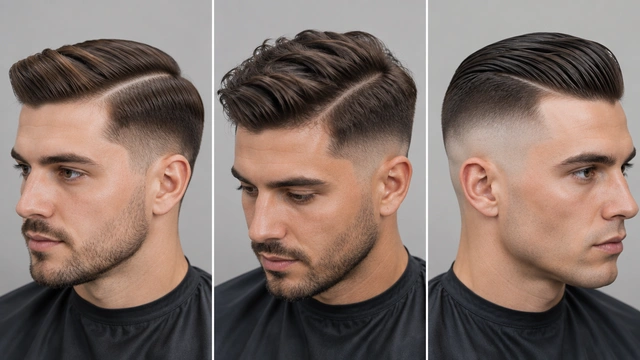
Low Taper Fade Haircut Straight Hair

On straight hair, a low taper fade looks sleek and structured. The top can be worn slightly longer and combed to one side, or kept short and pushed forward for a modern, textured finish. Straight hair holds a defined part exceptionally well, so this is a great option if you like a classic, put-together look. Maintenance is easy since straight strands don’t need much product to stay in place — a small amount of low-shine pomade is usually enough.
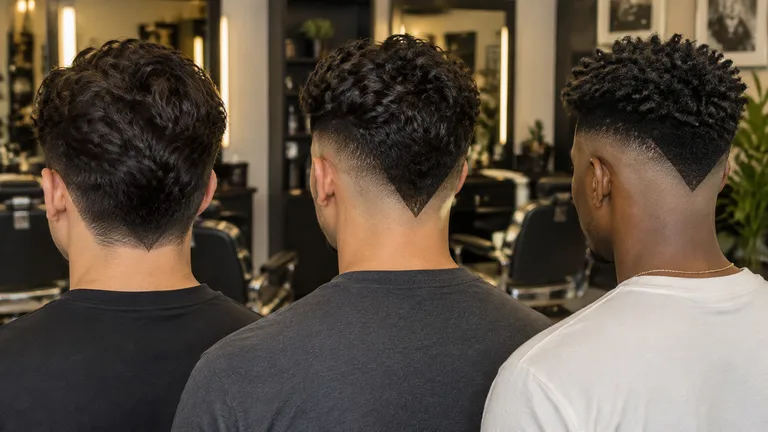
Low Taper Fade Haircut Curly Hair

Curly hair adds natural volume and texture up top, which pairs beautifully with the low, understated fade below. The curls stay full and bouncy while the sides stay tidy, creating a nice contrast between “controlled” at the bottom and “expressive” at the crown. Ask your barber to avoid thinning shears if your curls are already fine, since over-thinning curly hair can leave it looking patchy.
Low Taper Fade Haircut Wavy Hair

Wavy hair sits somewhere between straight and curly, and it tends to look effortless with a low taper fade. A slightly longer top lets the natural wave pattern show through, especially when air-dried or scrunched lightly with a texturizing cream. This combination is popular because it requires very little daily styling to look intentional.
Low Taper Fade Haircut Black Male

For coarser or tightly coiled hair textures, a low taper fade gives a clean, sharp finish that still leaves enough length up top for versatile styling — whether that’s a classic short crop, a textured twist-out, or a fuller afro on top. Barbers often use clippers with precision guards to build the fade gradually, then finish the hairline with a razor for extra sharpness.
Low Taper Fade Haircut Asian

Thicker, straighter hair textures common in many Asian hair types respond well to a low taper fade paired with a textured, slightly longer top. The natural thickness helps the top hold shape and volume, while the low fade keeps the overall silhouette neat rather than bulky.
Low Taper Fade Haircut Dreads

Dreadlocks or locs paired with a low taper fade create a striking contrast — full, textured locs on top with clean, tapered sides. This style keeps the sides low-maintenance between loc retwists and gives the whole look a more polished, deliberate edge without touching the locs themselves.
Low Taper Fade Haircut Hispanic

Many Hispanic hair textures range from wavy to thick and coarse, and a low taper fade handles that range well. A common approach is a textured crop or comb-over on top with the low fade blending cleanly into natural sideburns, which keeps the look sharp without appearing overly styled.
Low Taper Fade Haircut Mexican

Similar in spirit to the Hispanic variation above, this style often incorporates a slightly longer, textured top with a defined part or fringe, low taper sides, and a clean lineup at the front. It’s a go-to for anyone wanting a look that feels sharp for both everyday wear and dressier occasions.
By Top Length
Low Taper Fade Haircut Long Hair

Keeping significant length on top while tapering low on the sides creates real contrast and lets you style the top in multiple ways — slicked back, pushed forward, or left loose and natural. This version needs more regular product and occasional trims to prevent the top from looking unruly, but it’s a great choice if you like versatility.
Low Taper Fade Haircut Short Hair

A shorter top with a low taper is about as low-maintenance as Short Fade Haircut styles get. It’s tidy, requires minimal styling, and grows out gracefully without losing its shape. This is a favorite for anyone who wants a haircut that looks good on a rushed morning with zero product.
Massive Low Taper Fade Haircut

This refers to a deliberately voluminous, thick top — often achieved with texturizing techniques that add lift and body — contrasted against the low, subtle fade beneath it. It creates a bold silhouette while keeping the overall cut wearable, since the fade itself stays understated.
Low Taper Fade Haircut Fluffy Hair

A fluffy top has become a defining trend in recent years — soft, airy, slightly tousled hair that looks effortless rather than structured. Paired with a low taper, it keeps the focus on that relaxed, textured top without the sides competing for attention. A light sea-salt or texture spray, blow-dried with a round brush, helps achieve the fluffy effect.
Low Taper Fade Haircut Buzz Cut

A buzzed top with a low taper fade is one of the simplest, most practical variations. The top is clipped uniformly short (often a #2 or #3 guard) while the sides taper down gradually. It’s fast to maintain, works in humid climates, and suits nearly every face shape.
Low Taper Fade Haircut Textured Buzz

A step up from a plain buzz, this version uses scissor-over-comb or point-cutting techniques on top to add subtle texture and movement rather than a completely flat, uniform surface. It still reads as low-maintenance but has a bit more personality than a standard buzz cut.
By Design & Detail
Ninja Low Taper Fade Haircut

This style features a longer front section that can be styled forward and down, almost covering part of the forehead, combined with shorter sides tapering low. The name comes from the way the front piece can be worn low and angled, similar to a ninja’s headwrap silhouette. It’s bold and works especially well with thick, straight hair.
Low Taper Fade Haircut Textured Fringe

A textured fringe sits at the front of the top section, cut with slight layering so it falls naturally across the forehead rather than sitting flat. Combined with a low fade, it creates a youthful, styled-but-not-overdone look that’s especially popular right now.
Low Taper Fade Haircut Edgar Cut

The Edgar cut is defined by a straight, blunt fringe line across the front paired with tapered or faded sides. When combined with a low fade, the contrast between the crisp fringe and the subtle sides gives the style a clean, geometric appeal.
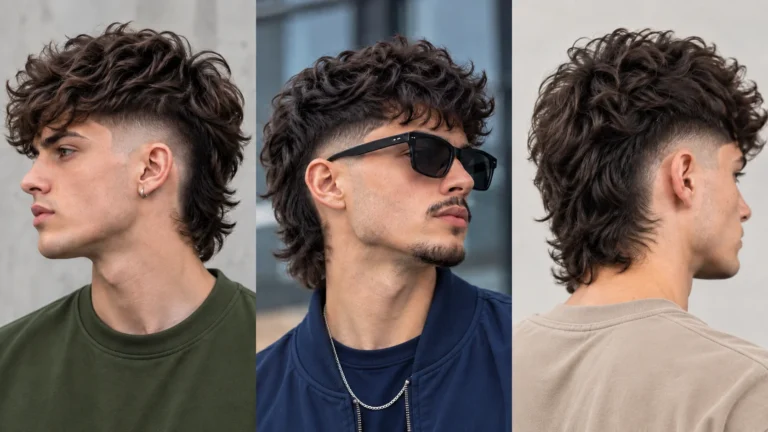
Mullet Low Taper Fade Haircut

A modern mullet pairs shorter, tapered sides with noticeably longer hair at the back and crown. Using a low fade rather than a high one keeps the Mullet Fade Haircut from looking too dramatic, striking a balance between the retro mullet silhouette and a more contemporary, wearable finish.
Low Taper Skin Fade Haircut

As covered earlier, the Skin Fade Haircut hybrid style tapers most of the head but drops to bare skin right around the ear and hairline for a crisper edge. It gives you the low-maintenance quality of a taper with a touch of the sharpness a skin fade provides.
By Color & Facial Hair Pairing
Low Taper Fade Haircut Blonde

Lightened or fully blonde hair on top makes any haircut more eye-catching, and a low taper fade lets that color take center stage without a high-contrast fade competing for attention underneath. This combination works particularly well on shorter or textured tops, where the color is easy to see.
Low Taper Fade Haircut With Beard

Pairing a low taper fade with a well-groomed beard is one of the most popular combinations for a reason — the low fade on the sides blends naturally into the beard along the jawline, creating one continuous, tidy silhouette from hairline to chin. Ask your barber for a “beard blend” specifically, so the fade and beard length are trimmed together rather than as two separate cuts.
New Additions
Low Taper Fade for Fine/Thin Hair

Fine or thinning hair can look sparse with high-contrast fades, since more scalp becomes visible higher up the head. A low taper keeps more length and density lower down, which makes hair appear fuller overall. Shorter top lengths with light texturizing also help avoid a flat, thin appearance.
Low Taper Fade for Kids

For younger clients, a low taper fade is often a practical choice — it’s gentle, doesn’t require a razor-sharp skin fade, and grows out without looking messy between cuts, which matters for parents managing less frequent barbershop visits. A simple buzzed or short textured top keeps things easy to manage at home.
Low Taper Fade for Women

Short haircuts with low taper fades have grown increasingly popular among women too, often paired with a longer, styled top — think a textured pixie, a slicked-back undercut style, or a longer swept fringe. The low fade keeps the sides subtle so the focus stays on the top styling.
Styling Direction — Slick, Textured, or Voluminous?
Once the fade itself is set, how you style the top is really what defines the look day to day. Broadly, most low taper fade styles fall into one of three styling directions.
Slicked & Controlled Looks
Using a pomade or gel with strong hold, hair is combed into place for a neat, defined finish. This works especially well with straight or wavy hair and suits more formal settings. It pairs naturally with a side part, a slick-back, or a comb-over.
Textured & Messy Looks
A matte clay, texture paste, or sea-salt spray is worked through damp or dry hair with fingers rather than a comb, creating movement and separation. This is the go-to for fringe styles, fluffy tops, and anyone who wants a more relaxed, undone finish.
Volume-Focused Looks
For styles like the massive low taper fade, the goal is lift and body rather than a flat, controlled shape. Blow-drying with a round brush, using a lightweight volumizing mousse, and avoiding heavy pomades all help hair stand up and hold its shape through the day.
Low Taper Fade Haircut by Face Shape
While a low taper fade is flexible enough to suit most face shapes, small adjustments to the top length and fade height can make it even more flattering.
Round Face
Adding height and volume on top, rather than keeping the top very short, helps elongate a round face. A textured or slightly voluminous top with a low taper (rather than a very close buzz) tends to be the most flattering combination.
Square Face
Square faces already have strong, defined angles, so a low taper fade with softer, textured styling on top helps balance that structure without adding more sharp lines. Avoid very blunt fringes, which can emphasize the jawline too much.
Oval Face
Oval faces are considered the most versatile, so nearly any variation of the low taper fade works well — from a buzzed top to a longer, textured fringe. This is a good starting point if you’re unsure which style to ask for.
Low Taper vs Mid vs High Fade — Comparison Table
| Feature | Low Fade | Mid Fade | High Fade |
| Fade starting point | Just above the ears | Mid-way up the sides | Near the temples |
| Contrast with top | Subtle | Moderate | Bold |
| Maintenance frequency | Every 3–5 weeks | Every 2–4 weeks | Every 1–3 weeks |
| Best for | Professional, everyday looks | Balanced, versatile styling | Statement, high-fashion looks |
| Grow-out appearance | Gradual, less noticeable | Noticeable within a couple weeks | Noticeable quickly |
How Barbers Build a Low Taper Fade
Understanding how the cut is actually built helps you communicate better with your barber and know what to expect in the chair.
Deciding Taper Height
The barber first identifies where the fade should begin — typically just above the ear and around the lower back of the head — based on your hair growth pattern, hairline, and how short you want the sides to end up. This starting point is marked mentally or with a guide before any cutting begins.
Setting & Blending Guidelines
Using clippers with graduated guard sizes (or a clipper-over-comb technique for a softer transition), the barber works from the shortest length at the bottom upward, blending each section into the next so there are no visible lines or steps. This is the technical heart of a good fade — smooth, seamless transitions rather than abrupt changes in length.
Cleaning the Bottom Section & Final Lineup
Once the fade is blended, the barber cleans up the neckline and around the ears, often with a straight razor or trimmer for crisp edges. The front hairline is also defined at this stage, and any beard blending happens last so everything connects into one cohesive shape.
Cutting a Low Taper Fade at Home (DIY Guide)
Getting a barber-quality fade at home is difficult, but a reasonable low taper is achievable with patience and the right tools.
Tools & Guards You’ll Need
- A quality clipper with multiple guard attachments (typically #1 through #4)
- A clipper-only, guardless option for close blending at the very bottom
- Sharp scissors for the top length
- A mirror setup that lets you see the back and sides clearly
- A spray bottle for damp sectioning
DIY Step-by-Step
- Start with the top section, cutting or trimming it to your desired length using scissors and a comb.
- Attach a longer guard (like a #4) and cut the upper sides and back, blending toward the top.
- Switch to a shorter guard (like a #2) for the lower portion, starting just above the ears.
- Go guardless or use the shortest guard right at the hairline and neckline for a clean base.
- Use a lower guard length and gently “flick” the clippers upward at the boundary lines to soften any visible steps.
- Clean up the neckline and edges with a trimmer, and check both sides in a mirror for symmetry.
Mistakes First-Timers Make
- Cutting the fade too high, which is much harder to fix than going lower
- Skipping the blending step and leaving a visible line between guard lengths
- Rushing the back of the head without a proper three-way mirror setup
- Using dull blades, which pull hair rather than cutting it cleanly
Talking to Your Barber
Explaining Taper Height & Top Length
Be specific rather than general. Instead of saying “not too short,” try referencing a guard number (for example, “a #2 on the sides, tapering low, just above the ears”) and describe the top length in relatable terms, like “long enough to grab with two fingers” or “about an inch.” Bringing a reference photo — even one of the styles above — makes communication much easier.
Requesting a Beard Blend or Sharp Lineup
If you have a beard, specifically ask for a “beard blend” so the barber connects the fade into your facial hair rather than treating them separately. If you want extra definition, ask for a “sharp lineup” or “edge-up” around the hairline and temples — this is usually a quick add-on rather than a full extra service.
Low Taper Fade Haircut Cost Guide
Pricing varies significantly by region, barber experience, and shop type, but here’s a general sense of what to expect.
Barbershop vs Salon Pricing
A standard barbershop haircut with a low taper fade typically falls in a moderate, everyday price range, often with add-ons like a beard trim or hot towel service costing a bit extra. Salons that offer men’s cuts sometimes price slightly higher, especially if the service includes a wash, style, and consultation. Specialty or high-end barbershops in larger cities tend to charge the most, reflecting both experience and location. If you’re unsure, it’s reasonable to call ahead and ask for pricing on a “low taper fade” specifically, since some shops price fades differently from basic trims.
Maintenance & Longevity
Touch-Up Schedule
Because the fade starts low and the contrast is subtle, a low taper fade grows out more gracefully than higher fades. Most people can comfortably go three to five weeks between trims before the shape starts looking noticeably grown out, though this varies with hair growth speed and how crisp you like the lines.
How Long Does a Low Taper Fade Last?
The overall silhouette generally holds its shape for several weeks, but the sharpest part — right around the ear and neckline — will start to soften first, usually within two to three weeks. If you want the cut to look consistently fresh, schedule a quick “cleanup” appointment around that point, which is usually faster and cheaper than a full haircut.
Growing It Out Gracefully
Because the low fade doesn’t create a dramatic line high on the head, it grows out more evenly than a mid or high fade. As it grows, the sides will naturally start to blend with the top, and many people transition into a slightly longer, more textured style rather than needing an urgent re-cut.
Common Mistakes to Avoid with a Low Taper Fade
- Waiting too long between trims and letting the fade lines blur into an undefined shape
- Not communicating a specific guard number or reference photo, leading to mismatched expectations
- Using heavy products on fine hair, which can weigh the top down and reduce volume
- Skipping regular trims on the top length, causing it to overwhelm the low-key sides
- Forgetting to mention a beard blend, resulting in two disconnected sections
Low Taper Fade Haircut FAQs
Final Verdict: Choosing Your Low Taper Fade
The low taper fade earns its popularity by being genuinely adaptable. It doesn’t demand a specific hair type, face shape, or styling routine, and it grows out without losing its shape the way higher, sharper fades tend to.
If you want something low-maintenance and professional, a short or buzzed top with a clean low taper is hard to beat. If you’d rather make more of a statement, pairing the same low, subtle fade with a longer, textured, or voluminous top lets you experiment without the sides ever looking out of place.
Whatever direction you choose, the key to getting it right is communication — bring a reference photo, be specific about guard numbers and top length, and don’t be afraid to ask for a beard blend or sharp lineup if that’s part of your usual look. Once you find the combination that works for you, a low taper fade is one of the easiest cuts to keep looking sharp between visits.